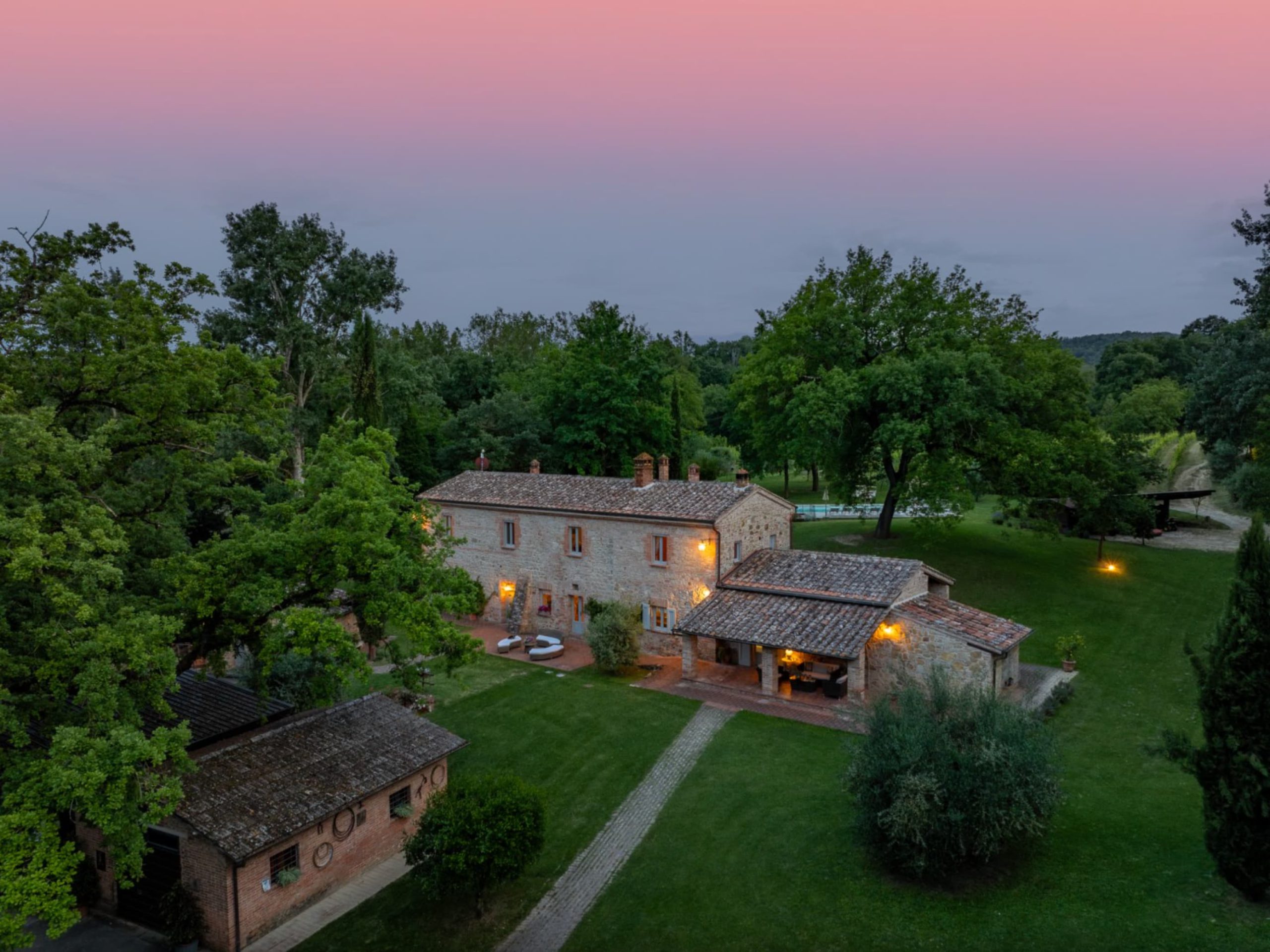
The easiest base for a family holiday in Sicily is the southeast. The beaches there are sandy and shallow, the drives are short, and the towns are small enough to walk in the evening. The north coast around Cefalù works well too. If your children are small, think twice about basing yourself on the Ionian coast below Taormina: the beaches are largely pebble and reaching them often means steps, a cable car, or both.
What actually matters when you travel with children here
Four things decide whether a Sicilian week with children is restful or exhausting, and none of them appear in a brochure.
The type of beach, not the beauty of it. Sicily has both fine sand shelving gently into the water and dramatic rock that drops away in a metre. Photographs rarely tell you which. With a three-year-old the difference is the whole holiday.
The shape of the town. Some of the most beautiful towns on the island are built on hillsides and connected by staircases. They are wonderful to visit and difficult with a pushchair.
Distance measured in minutes, not kilometres. Sicilian roads are slow rather than long. A drive that looks like forty minutes on a map can take an hour, and an hour in the back of a hot car undoes a morning.
The rhythm of the day. Between roughly one and five in the afternoon, outdoor sightseeing with children is a losing proposition in summer. Plan around it rather than against it and everything else becomes easier.
Where to base yourself: four areas compared
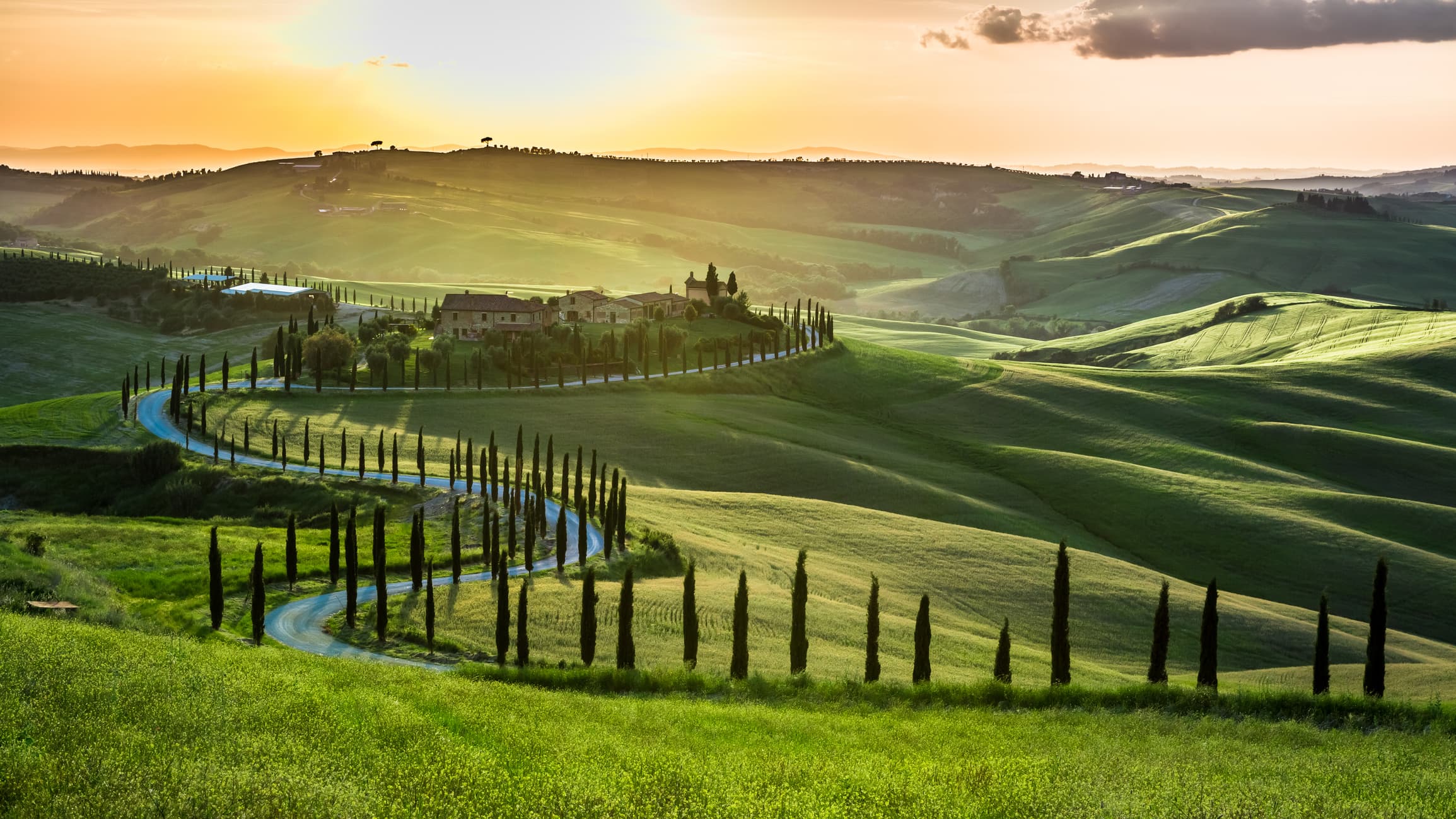
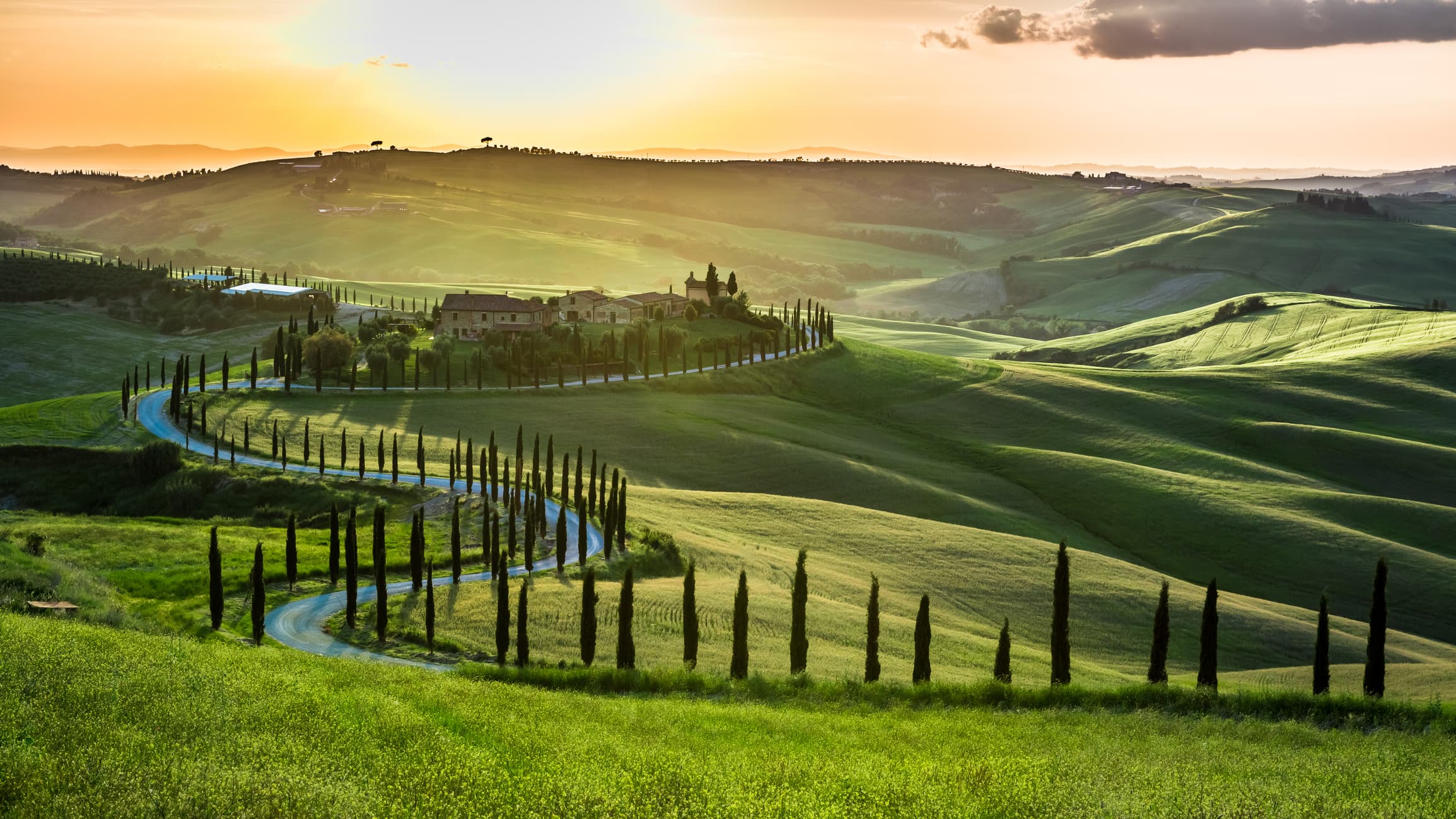
The southeast — Val di Noto and the south coast. The strongest all-round choice. Ragusa, Modica, Noto and Scicli sit inland among stone farmhouses, and the coast below them — Marina di Ragusa, Sampieri, Donnalucata, Marina di Modica — is a run of sandy, gently shelving beaches. Most of them are 25 to 45 minutes from a countryside villa. Culture and sea in the same day, without a long drive in either direction.
The north coast — Cefalù and the Madonie. Cefalù has a genuine sandy town beach, rare on that stretch of coast, and behind it the Madonie mountains offer cool air and space. A villa in the hills above Castelbuono puts you half an hour from the sea and several degrees below it at night. Busier than the southeast in August, but manageable if you stay inland.
The west — San Vito Lo Capo and the Trapani coast. Excellent sand and warm shallow water, particularly at San Vito. The trade-off is crowding: this is one of the island’s peak-season pressure points, and the road in and out of San Vito is a single artery. Better in June or September than in the middle of August.
The slopes of Etna. Not an obvious family choice, but a good one for families with older children. Altitude between 400 and 800 metres means nights that actually cool down, the volcano itself is a genuine event rather than a sight, and the Ionian coast is under an hour away when you want it.
Sandy or rocky? A short guide to the coasts
- South and southeast coast — predominantly sand, shallow entry, wide beaches. The most forgiving stretch of the island for small children. Marina di Ragusa, Sampieri, Donnalucata, Pozzallo, the beaches around Marzamemi.
- Northwest — fine sand at San Vito Lo Capo and in the bays near Castellammare, with rocky coves in between.
- North coast — mixed. Cefalù’s town beach is sand; much of the rest is pebble or rock platform.
- Ionian coast, Taormina to Catania — largely pebble and rock. Beautiful, and hard work barefoot with a toddler. Water shoes are not optional here.
- Nature reserves — the beaches inside the Vendicari reserve are superb and undeveloped, which also means a walk of ten to twenty minutes from the car park with everything you need on your back. Fine with children who walk; heavy going with a pushchair.
Choosing by the age of your children
Under three. Prioritise the southeast, and prioritise proximity above everything else. A villa within 30 minutes of a sandy beach and 10 minutes of a supermarket will matter more than a view. Look for ground-floor bedrooms and a flat, enclosed outdoor space.
Four to nine. The widest choice. The southeast still works best, but the Madonie and the Etna slopes open up: children of this age enjoy the volcano, the puppet theatres and swimming in a private pool as much as the sea. Villas with a lawn or a shaded courtyard earn their keep.
Ten and above. Everything is available. This is the age at which the archaeology starts to land — the Greek theatre at Syracuse, the temples at Agrigento and Segesta — and at which Etna becomes a real excursion rather than a view from the terrace. Consider the interior seriously: older children tolerate longer drives and reward you by being interested when you arrive.
What to check in the villa itself
The property matters more with children than without, and the questions worth asking are practical ones.
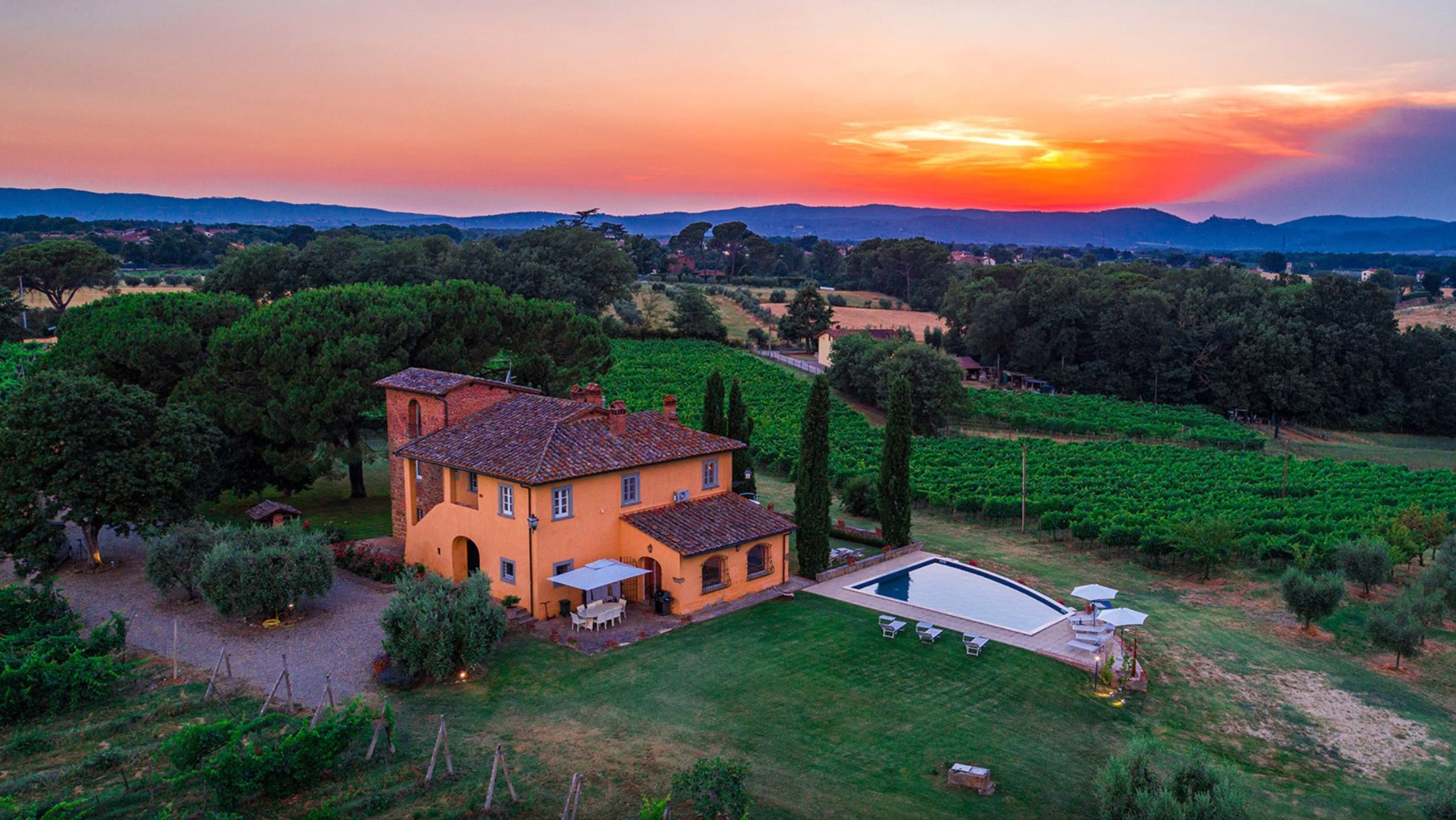
- The pool and its edges. Ask about depth, entry (Roman steps are far easier with small children than a ladder) and whether the pool area is fenced or otherwise separated from the house. Many Sicilian villas have beautiful unfenced pools; that is a decision to take knowingly rather than discover on arrival.
- Shade outdoors. A terrace with no pergola or mature tree is unusable from late morning until evening in August.
- Air conditioning in the bedrooms. Not merely in the living room. Confirm which rooms.
- Ground-floor sleeping. Useful with toddlers, and worth asking about explicitly since many restored farmhouses put the bedrooms upstairs.
- A working kitchen. The single biggest advantage of a villa over a hotel with young children is the ability to eat at six rather than at nine.
- Distance to the nearest shop. Ten minutes each way is a daily errand. Thirty minutes is a daily expedition.
Things that work with children
The puppet theatre. The Opera dei Pupi, Sicily’s traditional puppet theatre, was proclaimed a UNESCO Masterpiece of the Oral and Intangible Heritage of Humanity in 2001 — the first Italian practice to receive the recognition — and inscribed on the Representative List in 2008. Performances run in Palermo, Catania, Syracuse and Modica. The stories are knights, duels and improvisation; no Italian is required to follow them.
Etna, properly. Older children can walk on the lower craters, and the drive up through lava fields and chestnut woods is an event in itself. Go in the morning, bring layers: it is genuinely cool at altitude even in August.
Modica and its chocolate. Modica chocolate is made by a cold-worked method that leaves the sugar crystals intact, and it is the first — and so far only — chocolate in Europe to hold IGP protected geographical indication status. The workshops in town let children watch it being made.
Archaeology, timed correctly. The Valley of the Temples at Agrigento and the Neapolis park at Syracuse are extraordinary and almost shadeless. Arrive at opening time or go in the last two hours of the day, and both become manageable.
Practical notes
- Reverse the day. Beach or sightseeing in the morning, villa and pool through the afternoon, town in the early evening. Sicilian towns come alive after seven, and children are welcome in restaurants at hours that would raise eyebrows elsewhere.
- Rent the car seat with the car, or bring your own. Availability at Sicilian airports in August is not something to rely on.
- Beach umbrellas and water shoes. The first is essential on unequipped beaches, the second on anything that is not sand.
- Pharmacies are excellent and everywhere. Italian pharmacists handle minor problems directly and speak more English than you expect.
- Book the peak weeks early. Family-suitable villas — enclosed grounds, ground-floor bedrooms, short drive to sand — are a smaller subset of the market than it appears, and they are the first to go.
Frequently asked questions
Which part of Sicily is best for a holiday with young children?
The southeast. The Val di Noto towns give you culture within a short drive, and the south coast below them — Marina di Ragusa, Sampieri, Donnalucata — offers sandy, gently shelving beaches that suit small children better than anywhere else on the island.
Are Sicilian beaches sandy or rocky?
Both, depending where. The south and southeast are predominantly sand with shallow entry. The Ionian coast around Taormina is largely pebble and rock. The north coast is mixed, though Cefalù’s town beach is sand.
Is Sicily too hot for children in summer?
It is manageable if you plan around the afternoon rather than through it. Mornings and evenings outdoors, the middle of the day at the villa. Staying inland at 400 metres or more also means nights that cool down properly, which matters more than daytime temperature for sleep.
Do I need a car in Sicily with children?
Yes. Public transport between towns is limited and infrequent, and with children the flexibility to leave a beach when the mood turns is worth more than it sounds.
What should I check before booking a villa for a family?
Pool depth and whether the pool area is fenced, air conditioning in the bedrooms specifically, availability of a ground-floor bedroom, shade on the terrace, and the driving time to both the nearest beach and the nearest supermarket.