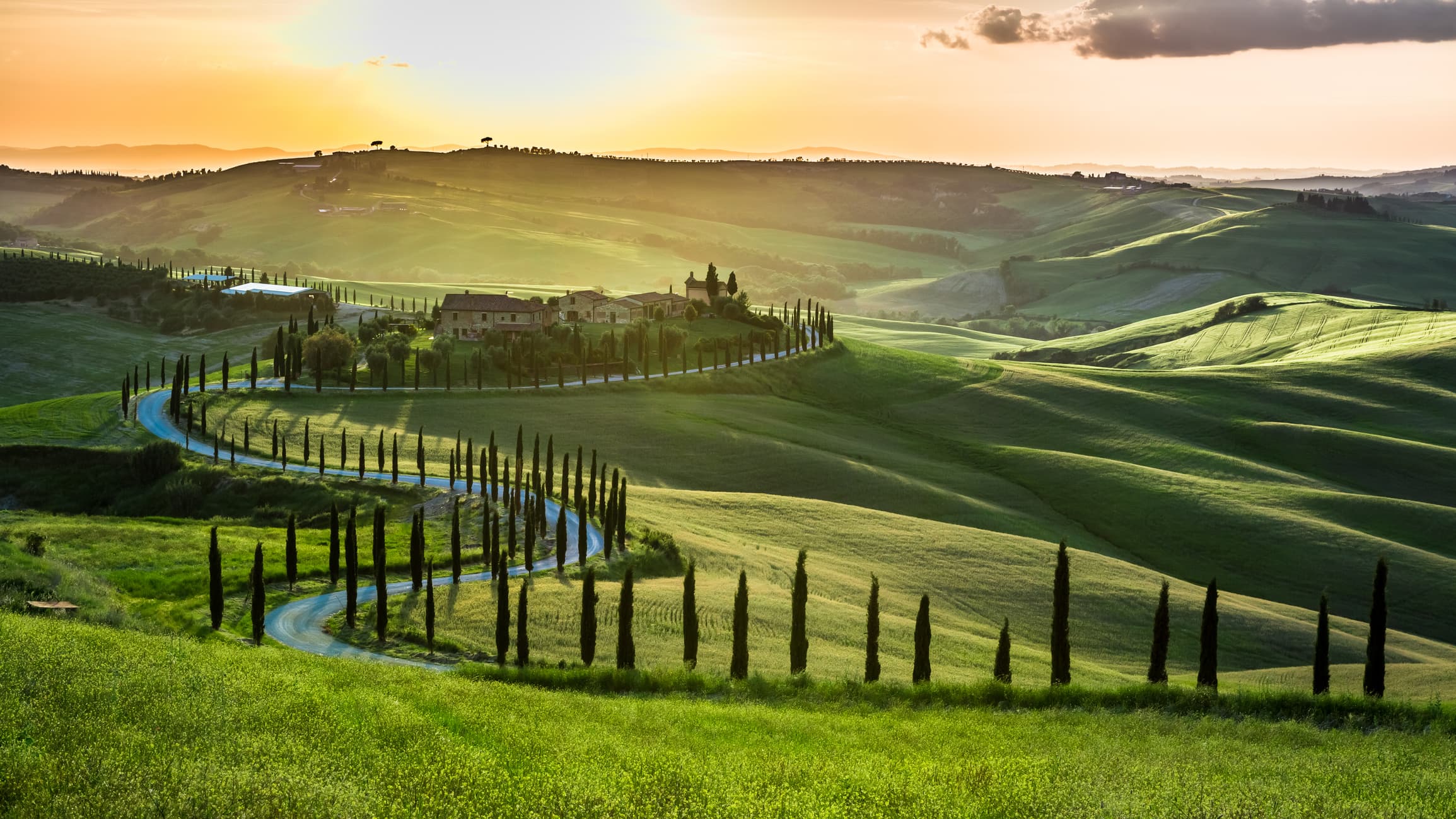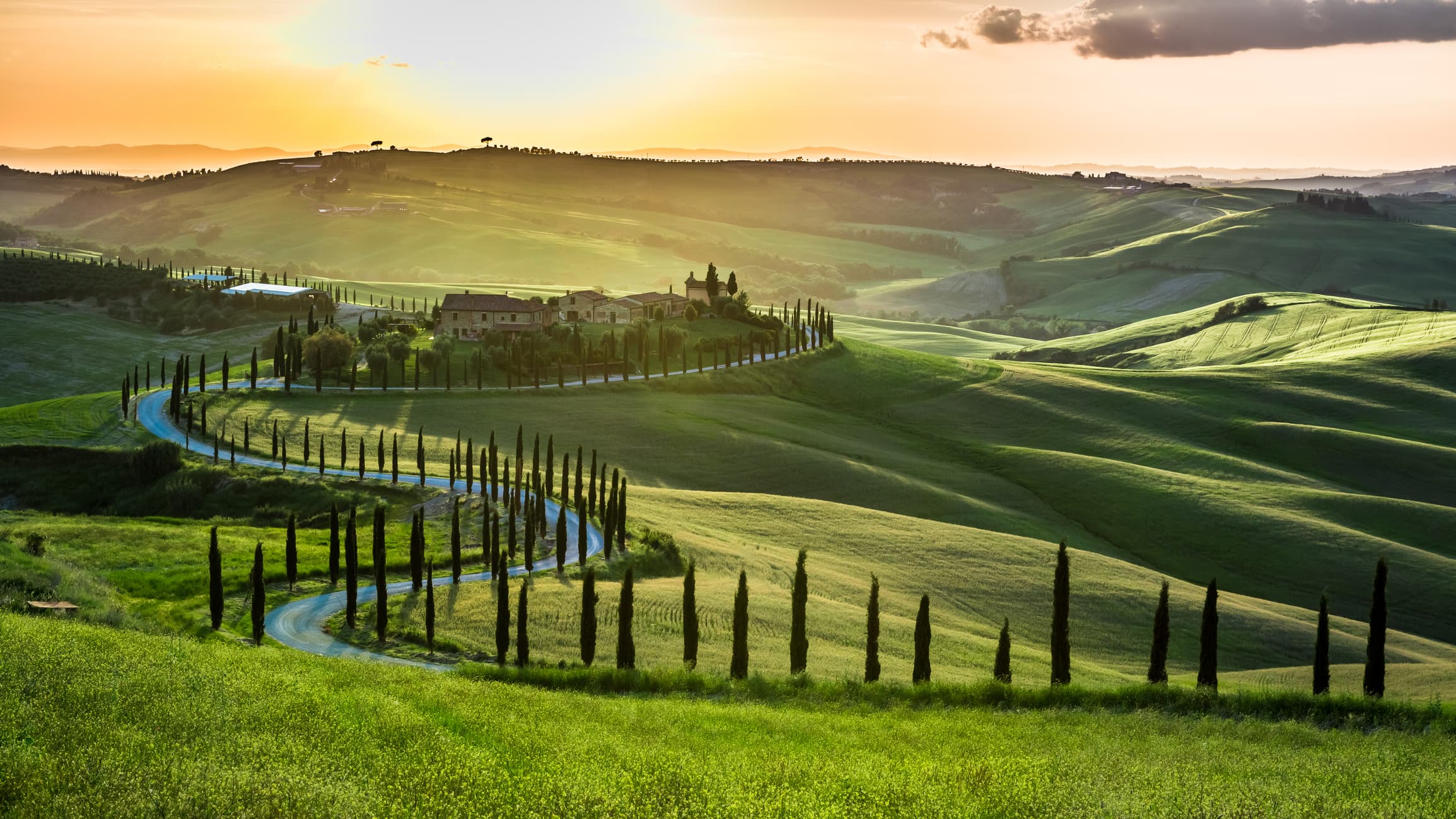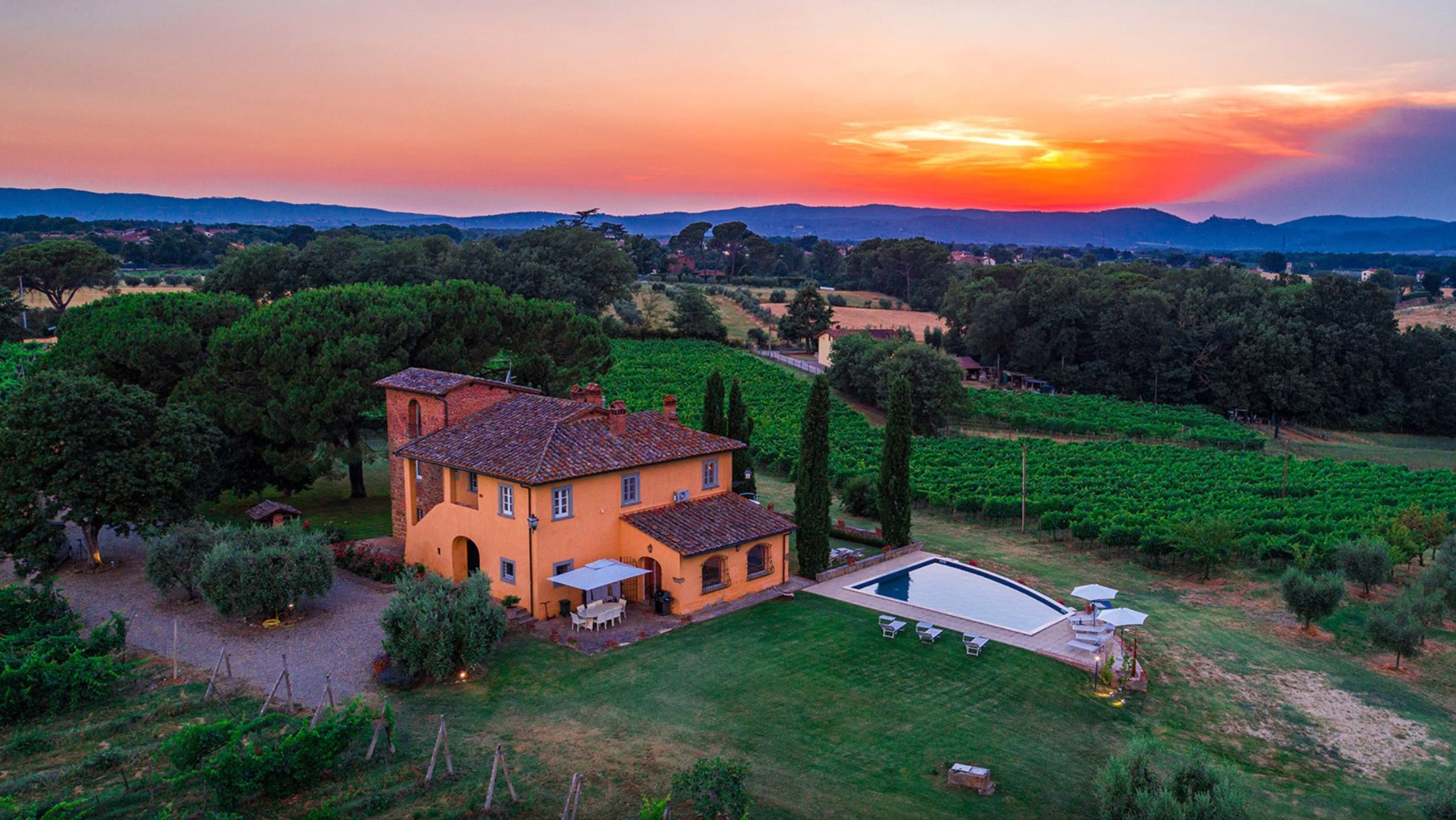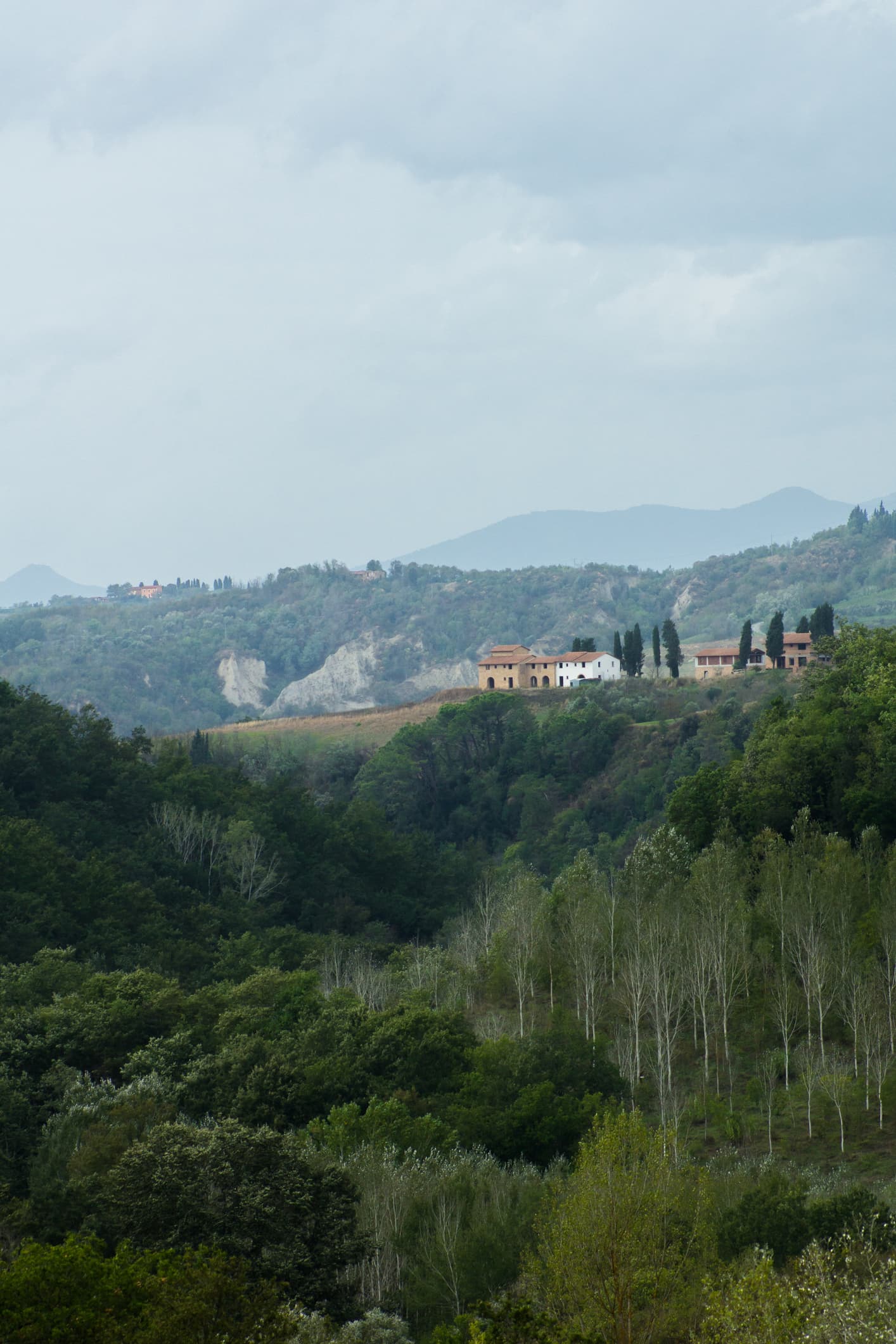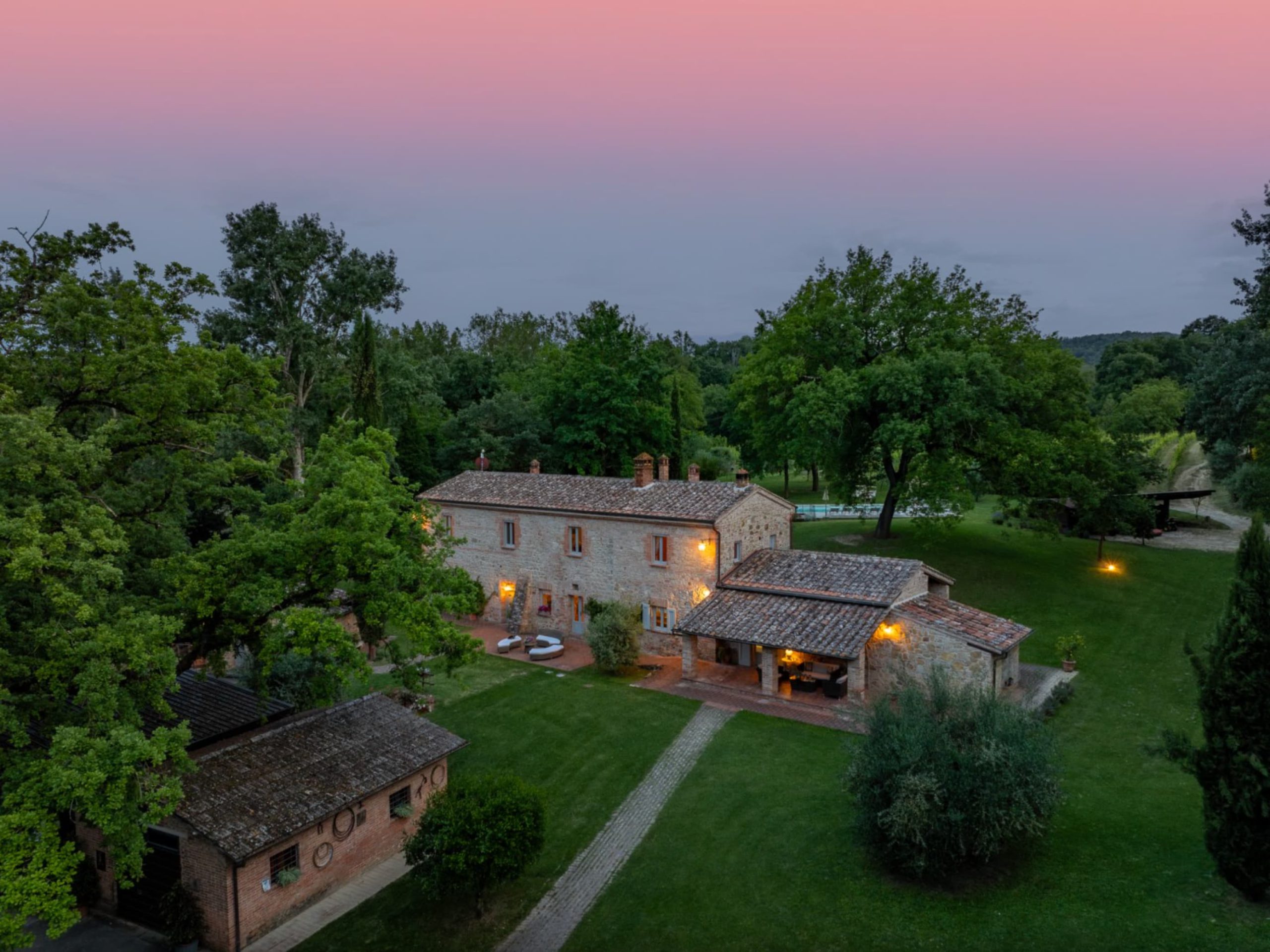
The quiet parts of Sicily in August are inland and uphill. Crowds concentrate on a short list of coastal places — Taormina, Cefalù, San Vito Lo Capo, the Aeolian Islands, Ortigia — while the Baroque southeast, the slopes of Etna and the Madonie and Nebrodi mountains stay comparatively calm, even through Ferragosto week. Almost all of them are within an hour of a beach.
Why August feels crowded, and where exactly
Sicily is the largest island in the Mediterranean. In August its visitors gather in a handful of places.
The reason has a date: 15 August, Ferragosto, is a national holiday in Italy and the centre of gravity of the domestic travel season. For roughly ten days either side of it, Italian families move to the coast, and they arrive on top of the international visitors already there.
The pressure points are predictable. Taormina and the beaches below it at Giardini Naxos. The old town and shoreline of Cefalù. San Vito Lo Capo. The Aeolian Islands, where ferry capacity is finite and demand is not. Ortigia, the island heart of Syracuse.
These are all worth seeing. They are simply not where you want to be based for a week. The useful insight is that Sicilian crowding is geographically concentrated: drive thirty minutes inland from almost any of these places and the density drops sharply.
Inland and cultured: the Baroque southeast
The south-eastern corner of the island holds eight towns rebuilt after the earthquake of 1693 — Caltagirone, Militello in Val di Catania, Catania, Modica, Noto, Palazzolo Acreide, Ragusa and Scicli — inscribed together as a UNESCO World Heritage Site in 2002.
Ragusa Ibla, Modica and Scicli receive a steady flow of day visitors. Very few of them stay the night. By early evening the streets belong to residents again, and the countryside between the towns — dry-stone walls, carob trees, low stone farmhouses — is close to empty.
The sea, if you want it: Marina di Ragusa, Sampieri and the Vendicari nature reserve are all roughly 30 to 45 minutes by car.
Best for: families and first-time visitors who want culture and coast in the same week without choosing between them.
Up the volcano: the slopes of Etna
Etna rises to roughly 3,300 metres and is the highest active volcano in Europe. The land around it became Sicily’s first regional park in 1987.
The villages on the northern and eastern flanks — Randazzo, Linguaglossa, Castiglione di Sicilia, Milo, Trecastagni — sit between about 400 and 800 metres above sea level. That altitude changes the character of the summer. Days are warm; nights cool down in a way the coast never manages.
This is also wine country. Etna DOC vineyards grow on volcanic soil at altitude, and for most varieties the harvest begins in the second half of September. Late August finds the estates in the weeks of preparation before it — a good moment to visit, and an easy one to book.
The sea, if you want it: the Ionian coast and Taormina are 40 minutes to an hour away.
Best for: couples, food and wine travellers, and anyone who sleeps badly in heat.
Behind the north coast: Madonie and Nebrodi
Two mountain parks run along the northern side of the island, and both are startlingly quiet in high season.
The Madonie regional park, established in 1989, protects around 40,000 hectares. Its highest point, Pizzo Carbonara, reaches 1,979 metres — the second highest peak in Sicily after Etna. Further east, the Nebrodi park covers roughly 86,000 hectares, making it the largest protected area on the island.
The towns here are the kind people drive through and then wish they had stayed in: Castelbuono, Petralia Soprana, Gangi, Polizzi Generosa, Geraci Siculo. Beech woods, mountain pasture, and August temperatures that behave themselves.
The sea, if you want it: Cefalù is 30 to 40 minutes from Castelbuono. You get the beach without living in it.
Best for: groups, walkers, and anyone whose priority is genuine quiet.
The west and the southwest coast
Two further options, both underused in August.
Inland from Trapani, Erice sits at around 750 metres and is frequently cool and mist-wrapped while the coast below bakes. Nearby are the Greek temple at Segesta, the hill town of Salemi, and the salt pans that run down the coast towards Marsala.
On the southwest coast — Menfi, Sciacca, Selinunte, the Belice valley — long sandy beaches carry a fraction of the pressure found in the northwest. This is also serious wine territory, from Marsala to the Menfi DOC.
Best for: travellers who want the sea without the queue for it, plus archaeology and wine.
Which one is right for you
- Families with young children — the Baroque southeast. Short drives to sandy, shallow beaches, and towns small enough to walk in the evening.
- Couples, food and wine — the slopes of Etna. Cool nights, exceptional eating, harvest season approaching.
- Groups and walkers — Madonie or Nebrodi. Space, altitude, and villas that sit alone rather than in a row.
- Beach first, but not the crowds — the southwest coast between Sciacca and Selinunte.
Practical notes for August
- Book early. The weeks around Ferragosto are the first to go across the whole island; the best properties are typically committed by spring.
- A car is not optional inland. Public transport between hill towns is limited, and journeys take longer than the map suggests because the roads are slow rather than long.
- Rough drive times. Catania airport to Ragusa, about an hour and a half. Palermo airport to Castelbuono, about an hour. Catania to Linguaglossa, about fifty minutes.
- 15 August itself is quiet in the wrong way. In small inland towns many shops close and some restaurants take the day off. Buy what you need on the 14th.
- Altitude beats distance from the sea. The interior can run several degrees hotter than the coast during the day. What cools a night down is height, not proximity to water.
Frequently asked questions
Which part of Sicily is least crowded in August?
The interior. The Baroque towns of the Val di Noto in the southeast, the villages on the slopes of Etna, and the Madonie and Nebrodi mountain parks along the north all stay comparatively quiet through the peak weeks, as does the southwest coast between Sciacca and Selinunte.
Is August too hot to visit Sicily?
Not if you choose your altitude. Coastal daytime temperatures are high and the interior is hotter still, but staying at 400 metres or above — on Etna’s flanks or in the Madonie — means nights that cool down properly, which is what most visitors actually struggle with.
How far is the sea from the Baroque towns?
Between 30 and 45 minutes by car. From Ragusa, Modica or Noto you can reach Marina di Ragusa, Sampieri or the Vendicari reserve comfortably within that window.
When should I book a villa in Sicily for August?
As early in the year as you can. Demand for the Ferragosto weeks is concentrated and inelastic, and the properties with the best positions are committed months ahead.
Do I need a car in Sicily?
For any inland stay, yes. Connections between hill towns are sparse and infrequent, and a car is what makes the combination of interior base and coastal day trips work at all.