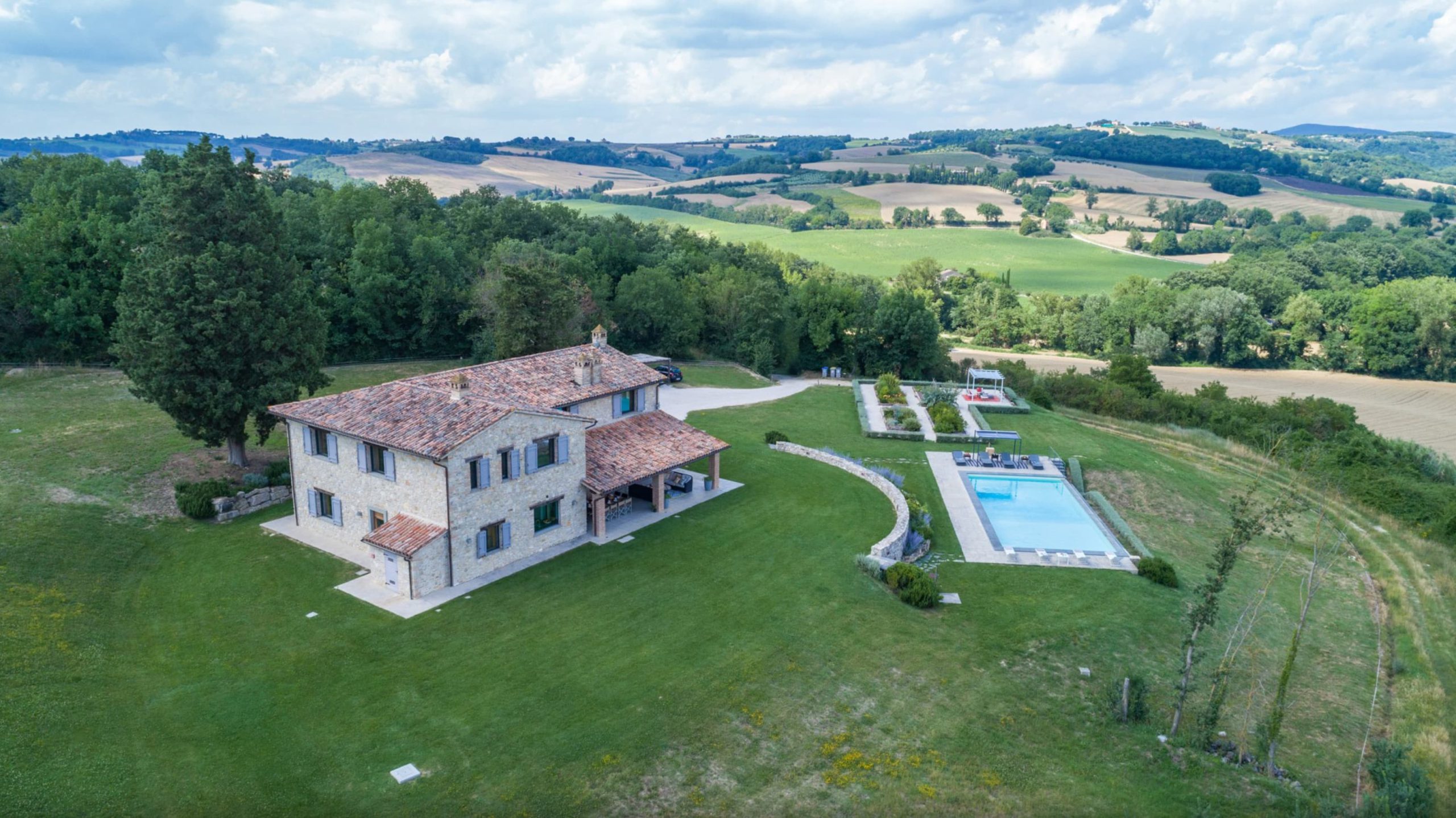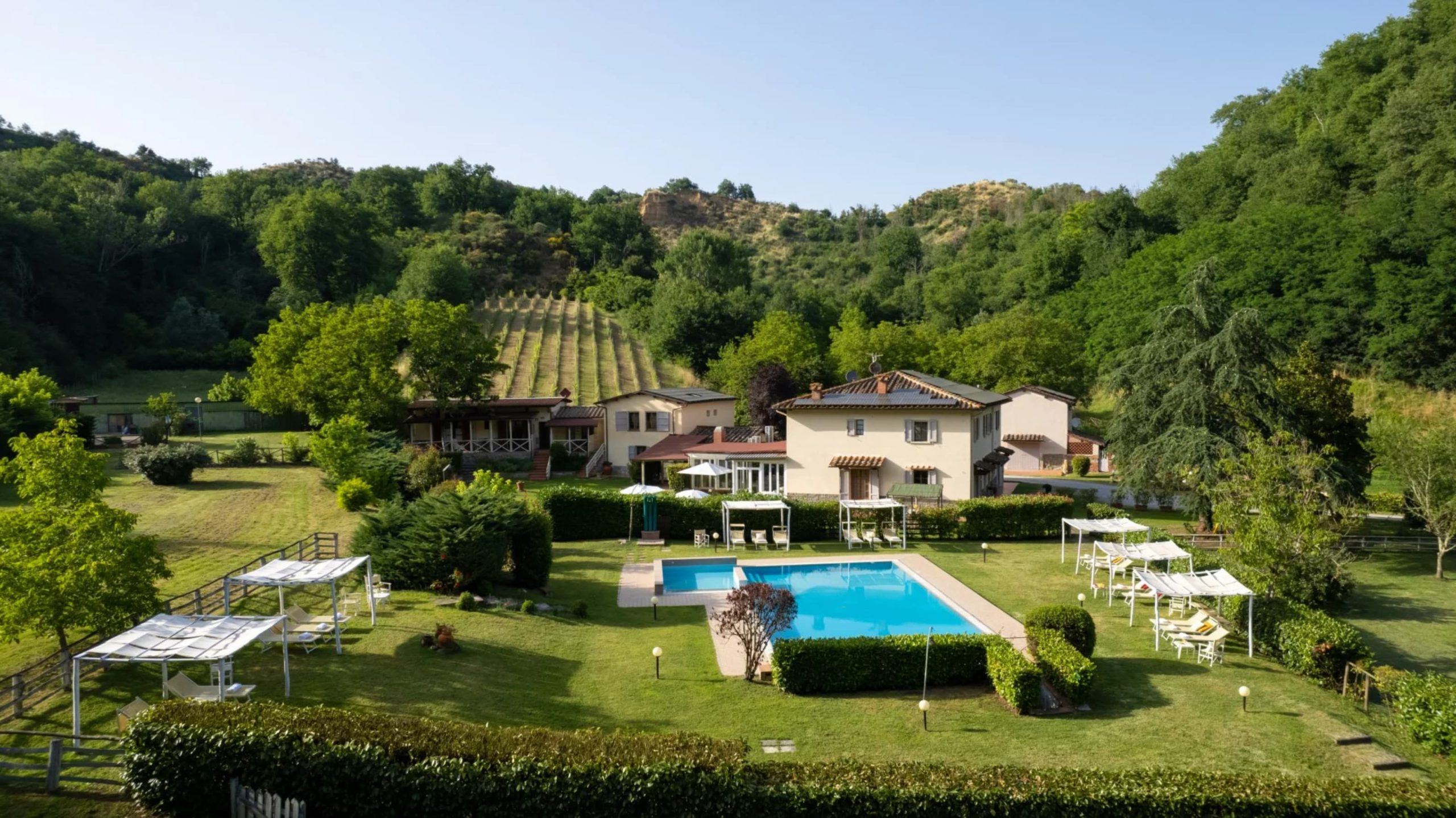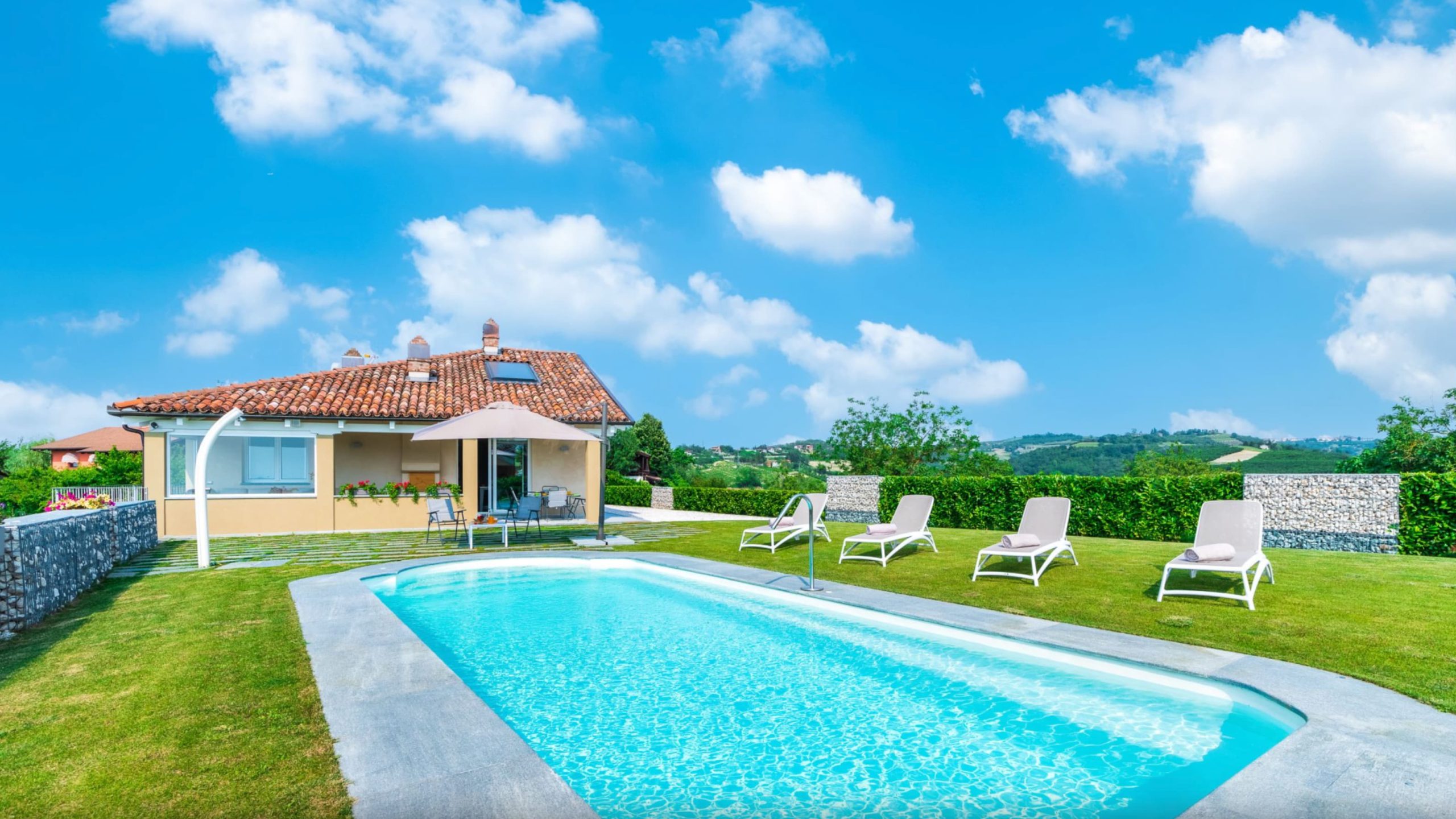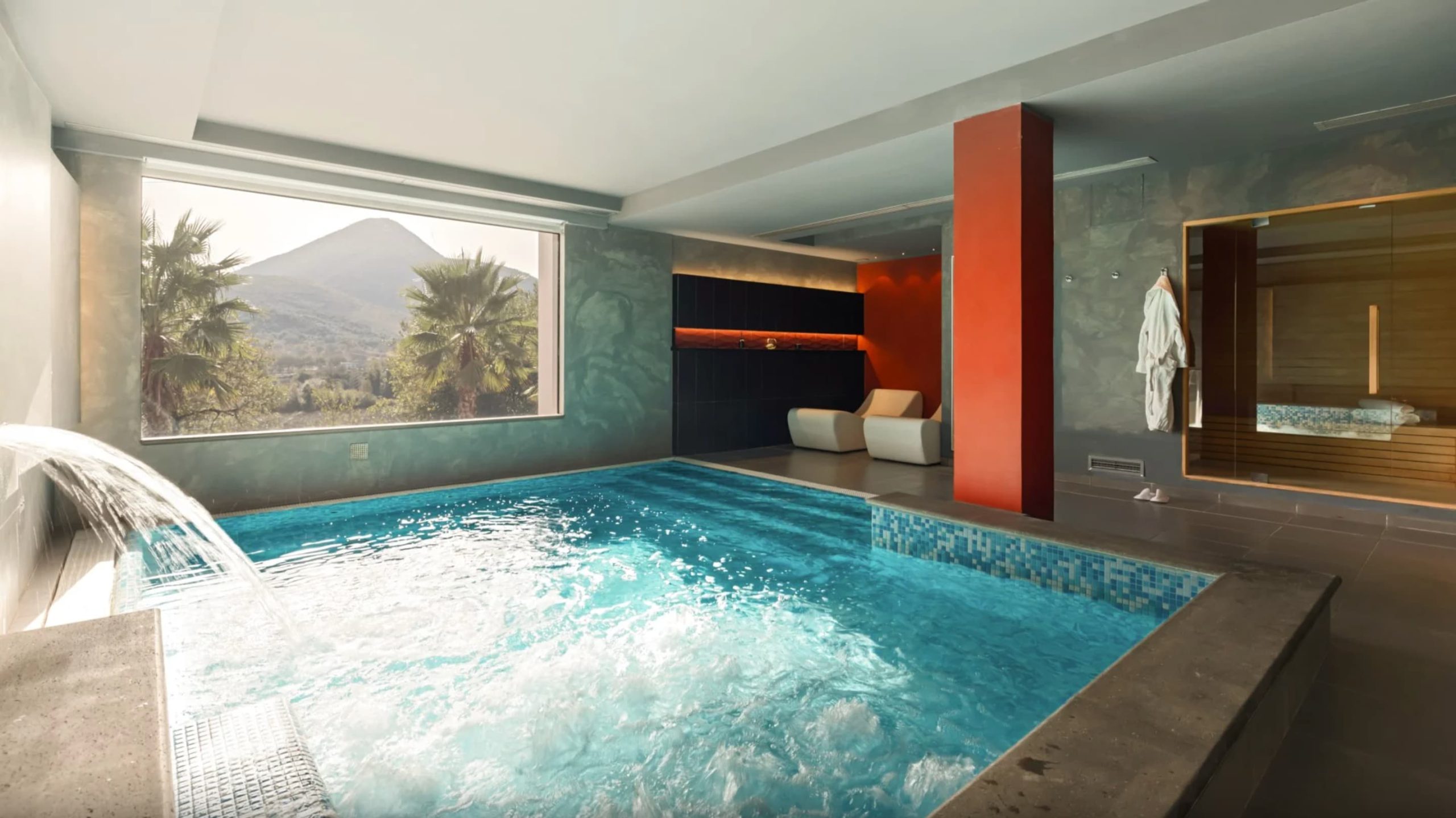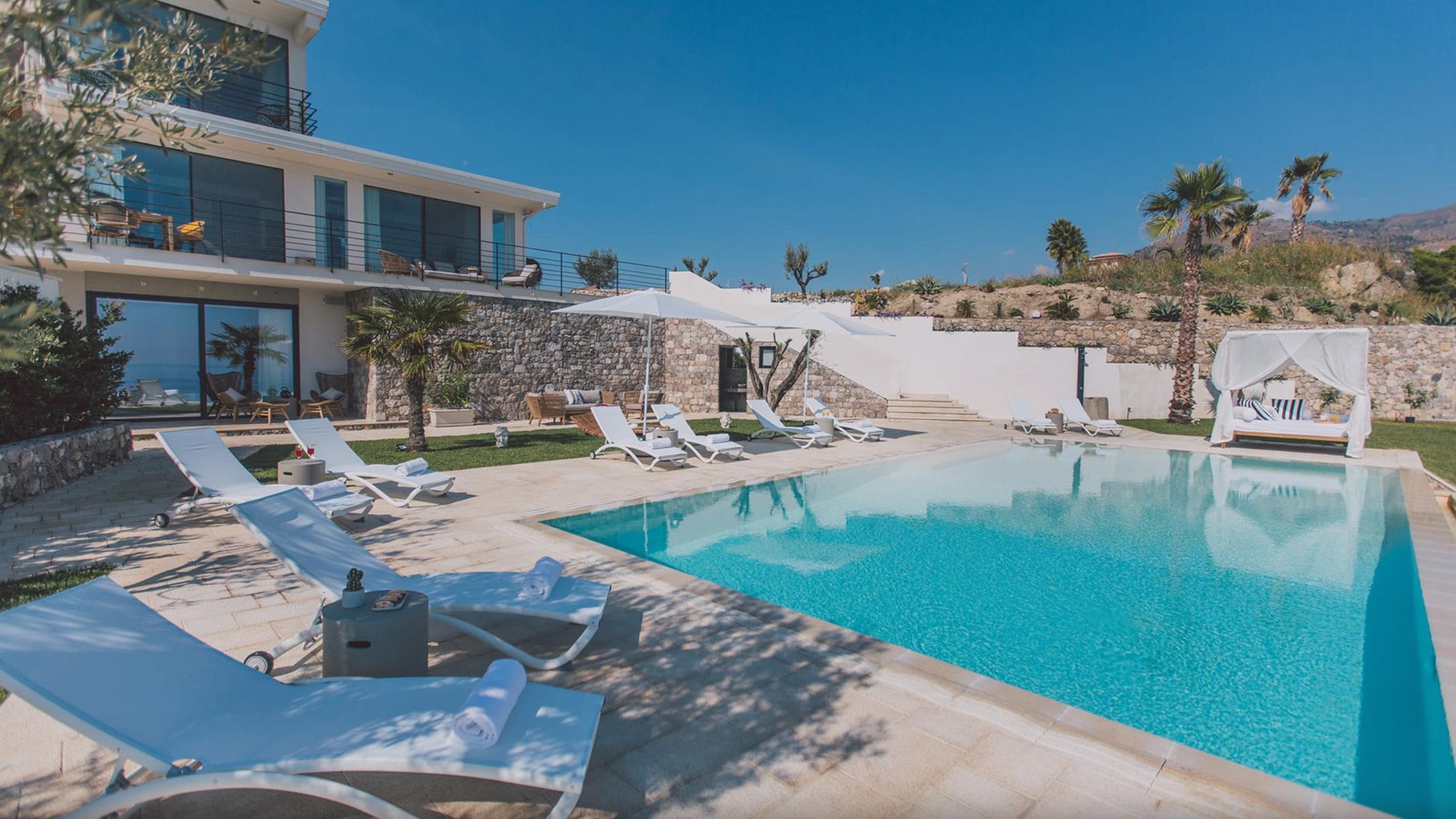
Choose Tuscany if this is your first trip to central Italy and you want Florence, Siena and the Val d’Orcia. Choose Umbria if you have been before, or if quiet matters more to you than a checklist. The landscapes are close cousins; the difference is scale, fame and how much of the region has been organised around visitors.
The numbers
The two regions share a border and a reputation, but they are not the same size and it changes everything downstream.
| Tuscany | Umbria | |
|---|---|---|
| Area | about 22,994 km² | about 8,464 km² |
| Population | over 3.6 million | about 850,000 |
| Density | about 158 people per km² | about 103 people per km² |
| Municipalities | 287 | 92 |
| Capital | Florence | Perugia |
| UNESCO World Heritage sites | seven, from 1982 onwards | Assisi, inscribed 2000 |
| Coastline | yes, plus islands | none |
Tuscany is roughly two and a half times the size and has more than four times the people. It also has a coast, which Umbria does not — Umbria is the only Italian region with neither a shoreline nor a border with another country.
What Tuscany does better
The headline sights. Florence is one of the essential cities of the world, and there is nothing in Umbria that competes with it. Siena, Pisa, San Gimignano and Lucca are all first-rank, and the Val d’Orcia is the landscape most people picture when they think of Italy.
Range. A region that size holds a coast, islands, mountains, marble quarries, wine country and Renaissance cities. You can build very different holidays inside the same borders.
Infrastructure. More flights, more trains, more choice of restaurants at every level, and a rental market that has been catering to international visitors for fifty years. Practically, things work.
The sea. If any part of your group wants a beach day, Tuscany can offer it and Umbria cannot.
What Umbria does better
Quiet. This is the whole argument, and it is a strong one. Fewer people, shorter queues, towns that are still primarily lived in rather than visited. In August the difference is dramatic.
Value. Property, restaurants and wine all cost less than the Tuscan equivalent, and the gap is not small.
Concentration. Umbria is small, so everything is close. From a base near Perugia you can reach Assisi, Spello, Montefalco, Todi, Gubbio and Orvieto with short drives. In Tuscany the equivalent tour involves real distances.
The feeling of discovery. Umbrian towns have not been polished for an audience. That is the quality returning visitors describe, and the one that is hardest to put in a photograph.
The landscape: an honest comparison
The two regions look similar in photographs and are not identical on the ground.
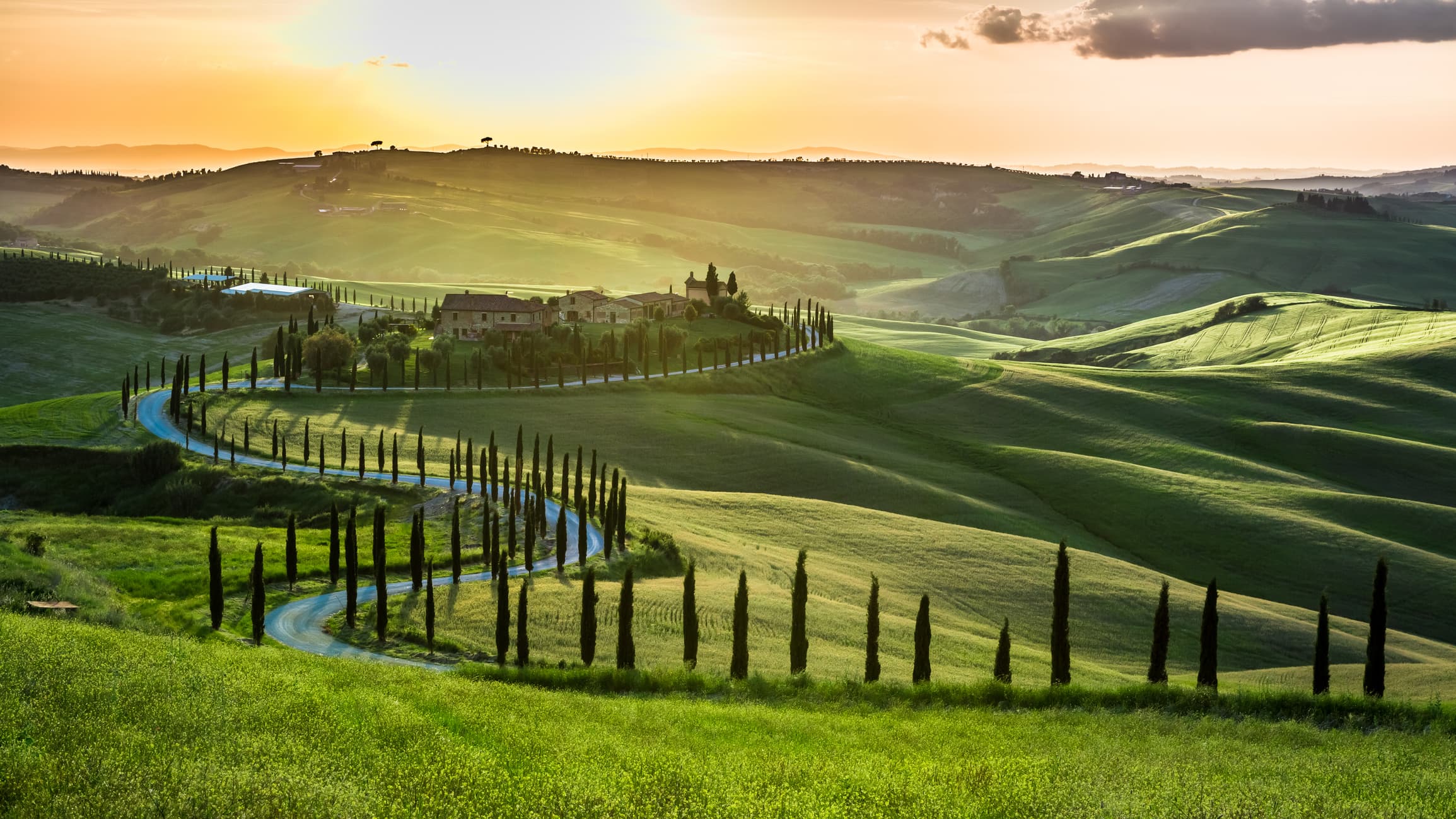
Tuscany’s signature is the Val d’Orcia: wide open, sculpted, cypresses on ridgelines, farmhouses placed as if by a landscape painter. It is beautiful and it is also, in places, curated.
Umbria is closer, greener and more wooded. Hills fold into one another rather than opening out, and there is more forest and less arable. The nickname “green heart of Italy” is descriptive: it is a region of hill and mountain with very little flat ground, and it stays green longer than most of central Italy.
If the image in your head is a single cypress-lined road on a golden hill, that is Tuscany. If it is a wooded valley with a walled town on the ridge above it, that is Umbria.
Food and wine
Both regions cook simply and well. The emphasis differs.
Tuscany leans on beef — the Chianina cattle behind the bistecca alla fiorentina — on bread, beans and olive oil, and on a wine landscape that runs from Chianti to Brunello di Montalcino and Bolgheri. It is the more internationally legible of the two.
Umbria is inland cooking: pork, game, pulses and truffle. Norcia gave Italian the word norcino for a pork butcher, black truffle grows through the Valnerina, and the lentils of Castelluccio come from a high plain in the Sibillini. The wine is Sagrantino di Montefalco, dense and tannic, from a grape grown almost nowhere else, and the white of Orvieto.
For most visitors Tuscan wine is more familiar and Umbrian food is more surprising.
Getting there and getting around
Tuscany has Florence and Pisa airports and fast trains on the Rome–Milan line. Umbria has a small airport at Perugia and is otherwise reached from Rome or Florence, roughly two hours by road.
Both regions need a car once you arrive. Umbria’s distances are shorter but its roads are winding; Tuscany’s are longer but often faster. In practice a week in Umbria involves less driving.
Which one for you
- First trip to Italy — Tuscany. Florence and Siena are not optional the first time, and the region is built to make a first visit easy.
- Second or third trip — Umbria. You have seen the headline sights and are now looking for the thing underneath them.
- Travelling in July or August — Umbria, decisively. The Tuscan hill towns in high summer are a different experience from the one in the photographs.
- With a group who want variety — Tuscany. Coast, cities and countryside inside one region.
- Walking, food, slow travel — Umbria. Shorter distances, the Via di Francesco, and a food culture that rewards curiosity.
- On a tighter budget — Umbria. The same kind of villa costs meaningfully less.
- Art above all — Tuscany, though Assisi alone is worth a detour from anywhere.
Can you do both?
Yes, and it is easier than most people assume. The two regions share a border, and Cortona, Montepulciano, Lake Trasimeno and Città di Castello sit close to it. A base in northern Umbria or south-eastern Tuscany puts both within reach on day trips.
What does not work is trying to see Florence and Assisi from the same house. That is two bases, not one.
Frequently asked questions
Is Umbria better than Tuscany?
Neither is better; they suit different trips. Tuscany has the famous cities, the coast and more range. Umbria is quieter, cheaper, more compact and closer to how both regions felt before mass tourism. First-time visitors usually prefer Tuscany, returning visitors often prefer Umbria.
What is the main difference between Umbria and Tuscany?
Scale and fame. Tuscany is roughly two and a half times the size, has more than four times the population, holds seven UNESCO World Heritage sites and has a coastline. Umbria is small, landlocked, hilly and wooded, with one World Heritage site at Assisi and far fewer visitors.
Is Umbria cheaper than Tuscany?
Generally yes, across accommodation, restaurants and wine. The same category of villa in the same kind of landscape typically costs less in Umbria, and the difference is larger in high season.
Can you visit Umbria and Tuscany in one trip?
Yes. They share a border, and a base near Lake Trasimeno, Cortona or Città di Castello gives access to both. What is not practical is combining Florence and Assisi from a single house.
Which is better in summer, Umbria or Tuscany?
Umbria, for most visitors. It is less crowded in July and August, its hill towns stay manageable, and the altitude of the interior makes the nights easier.