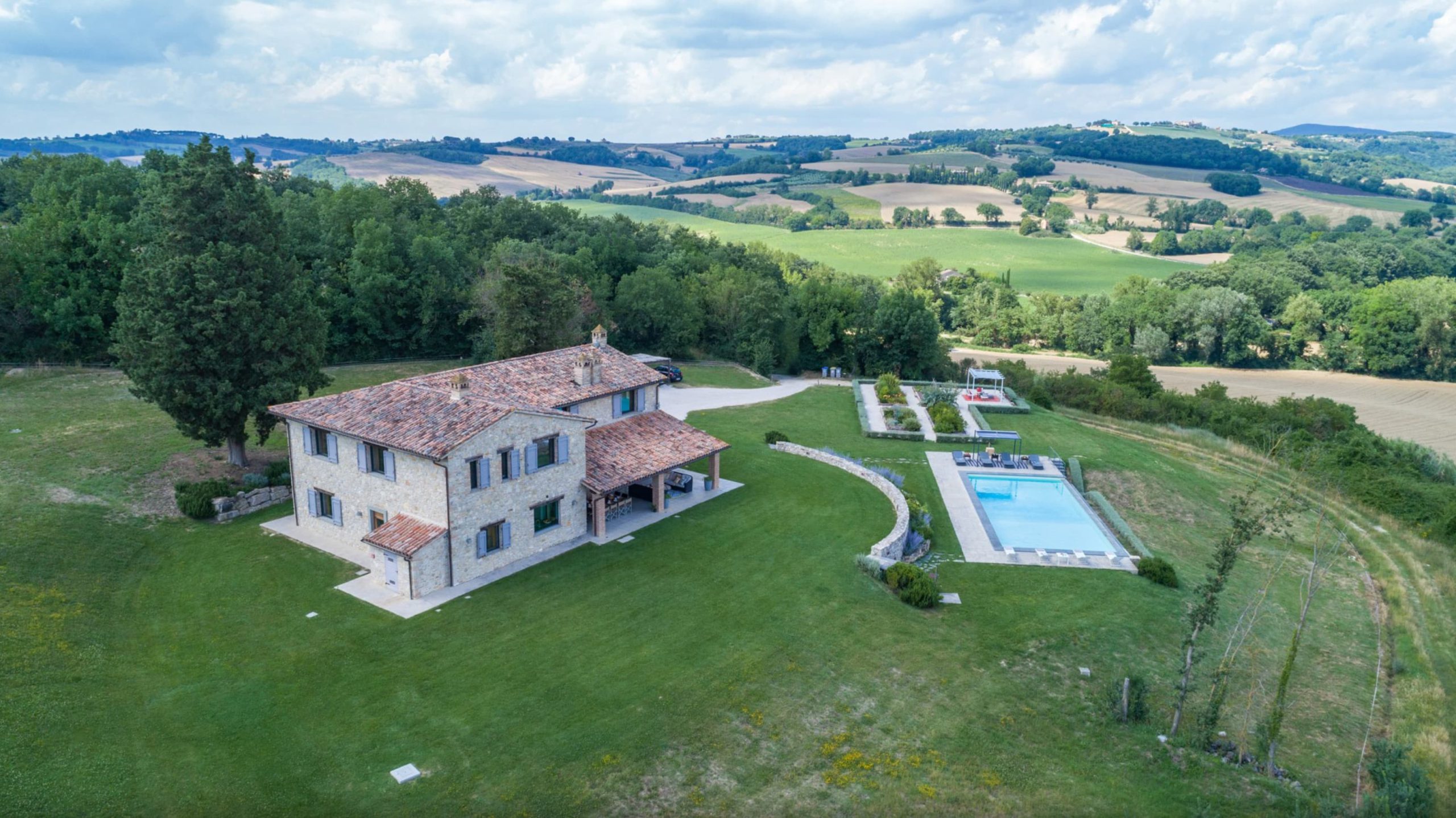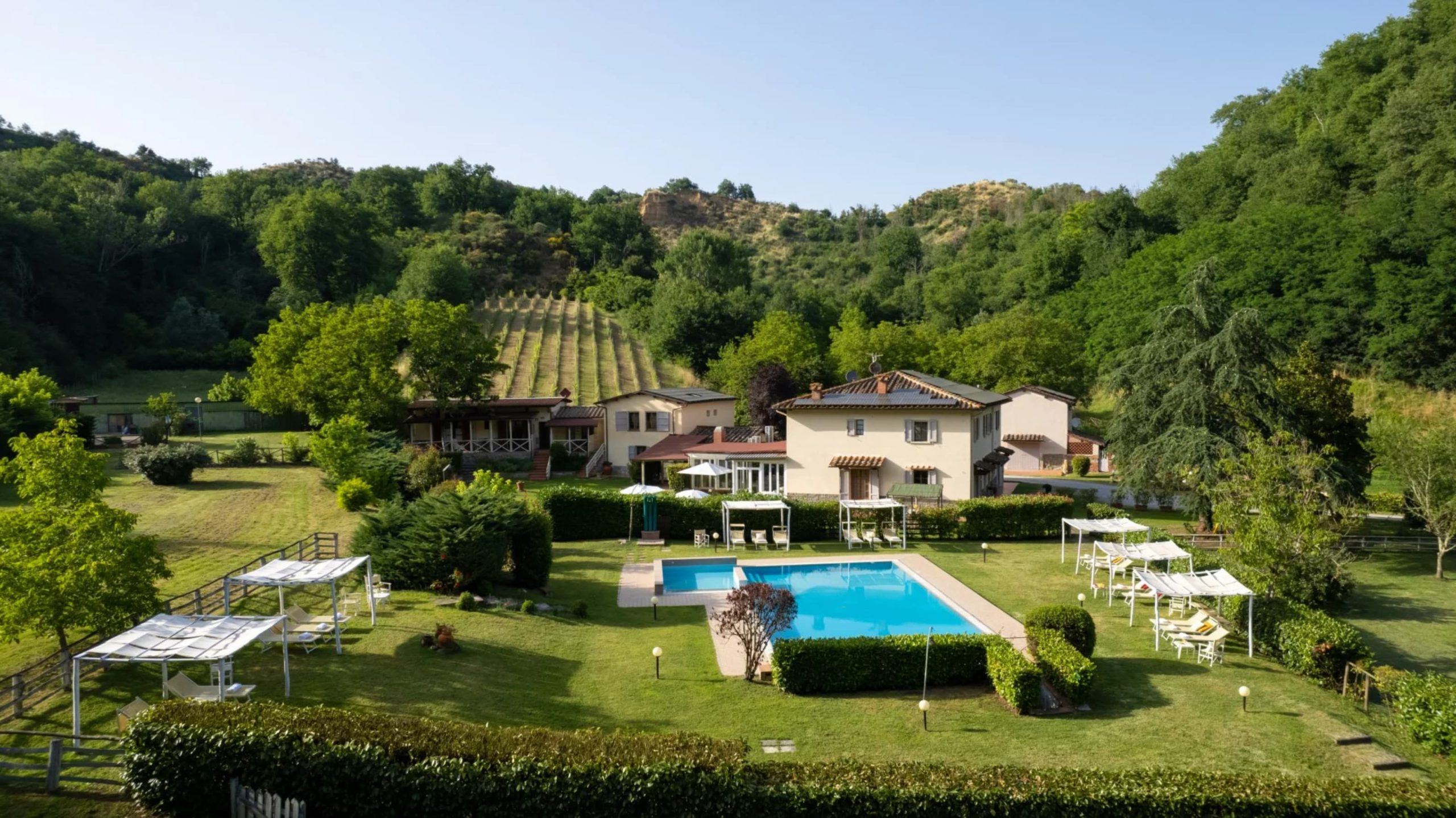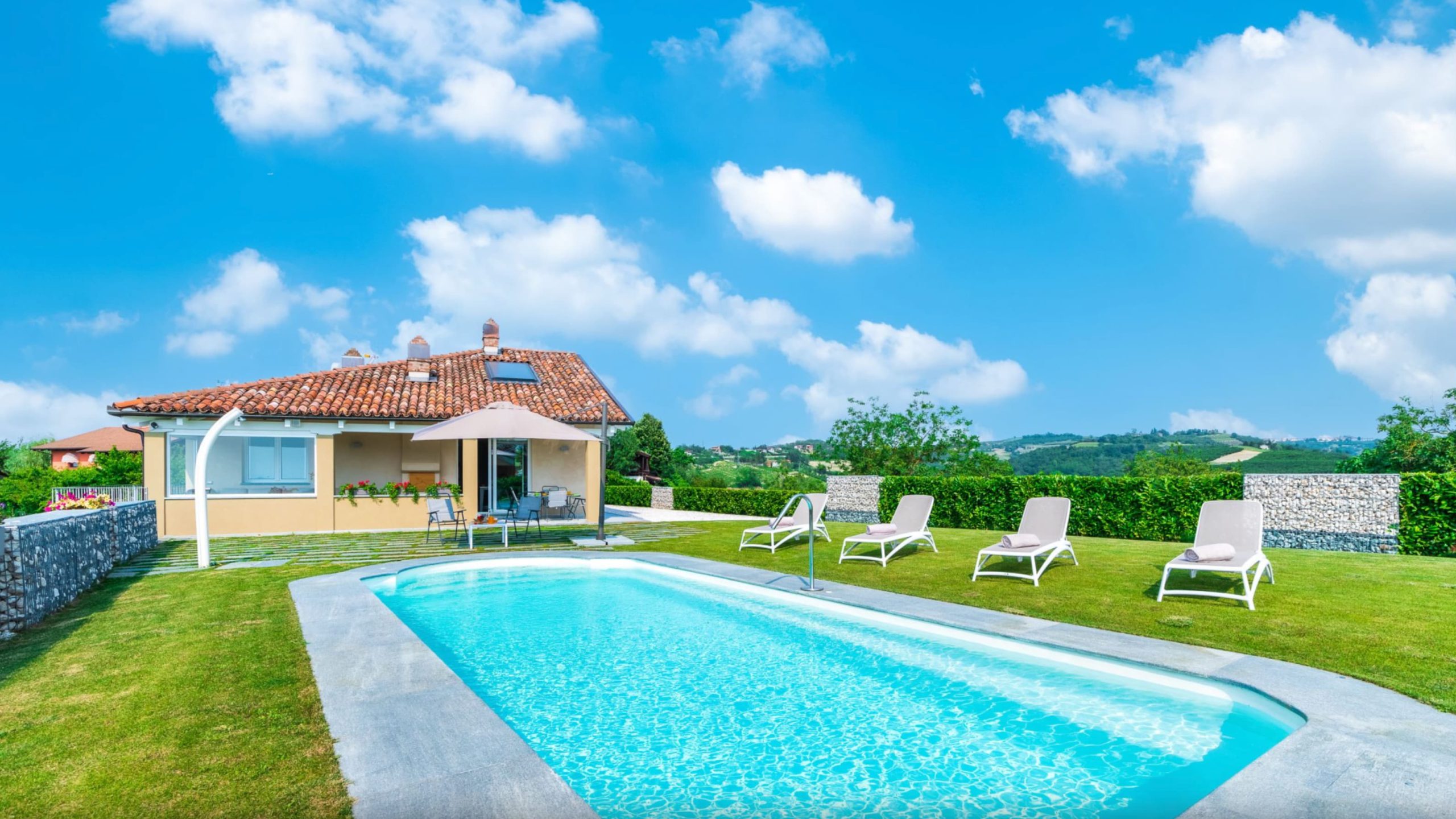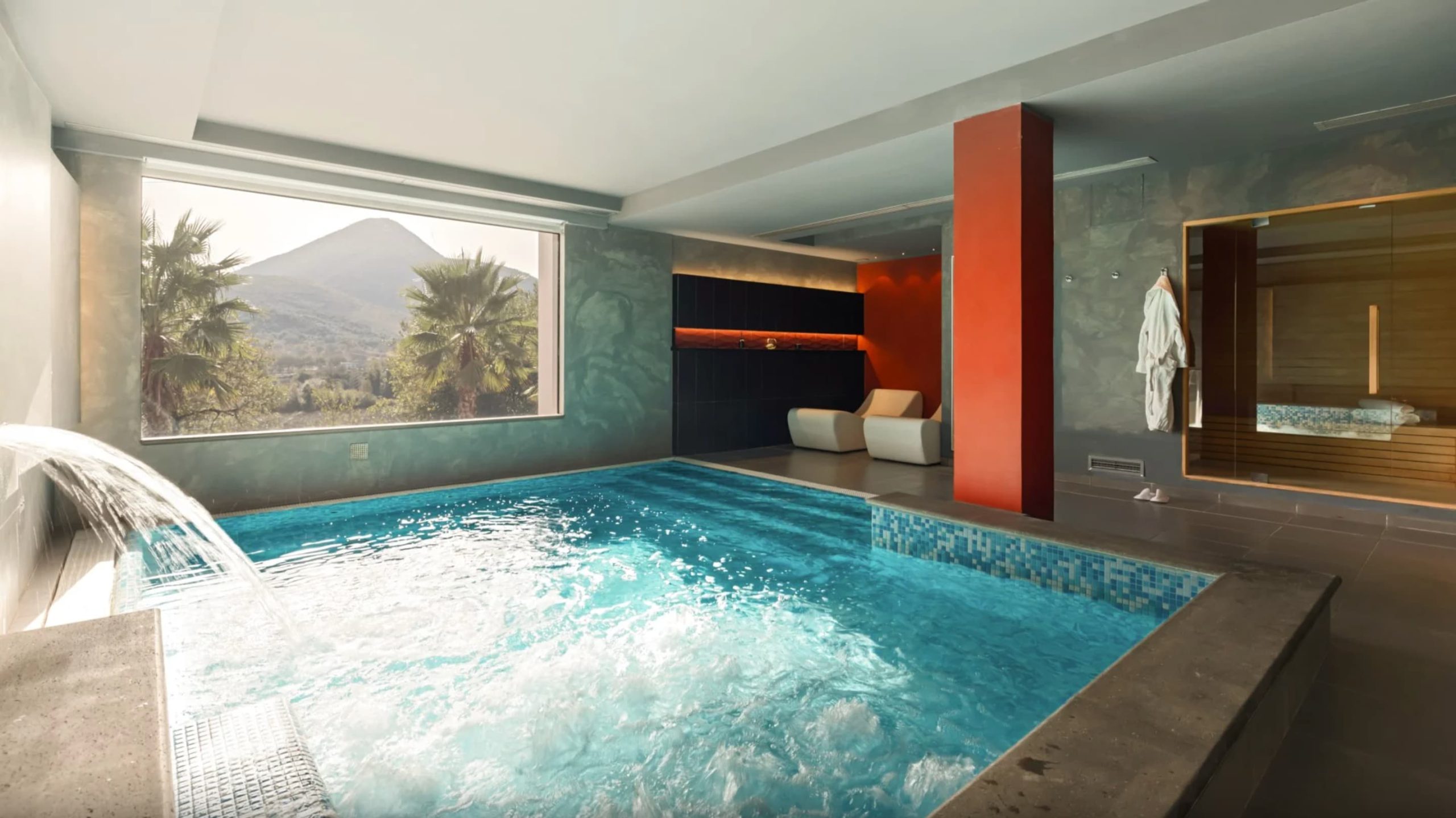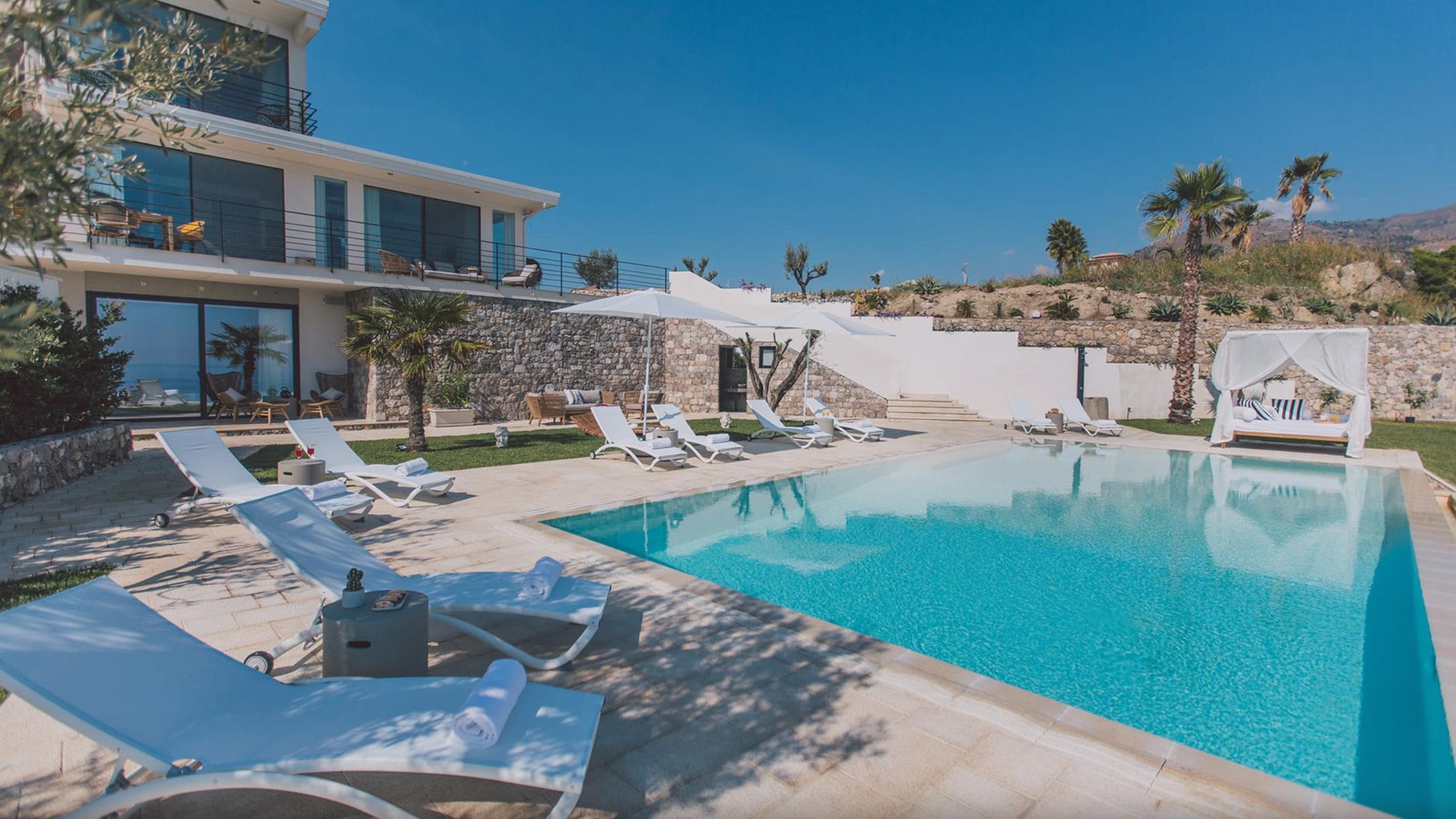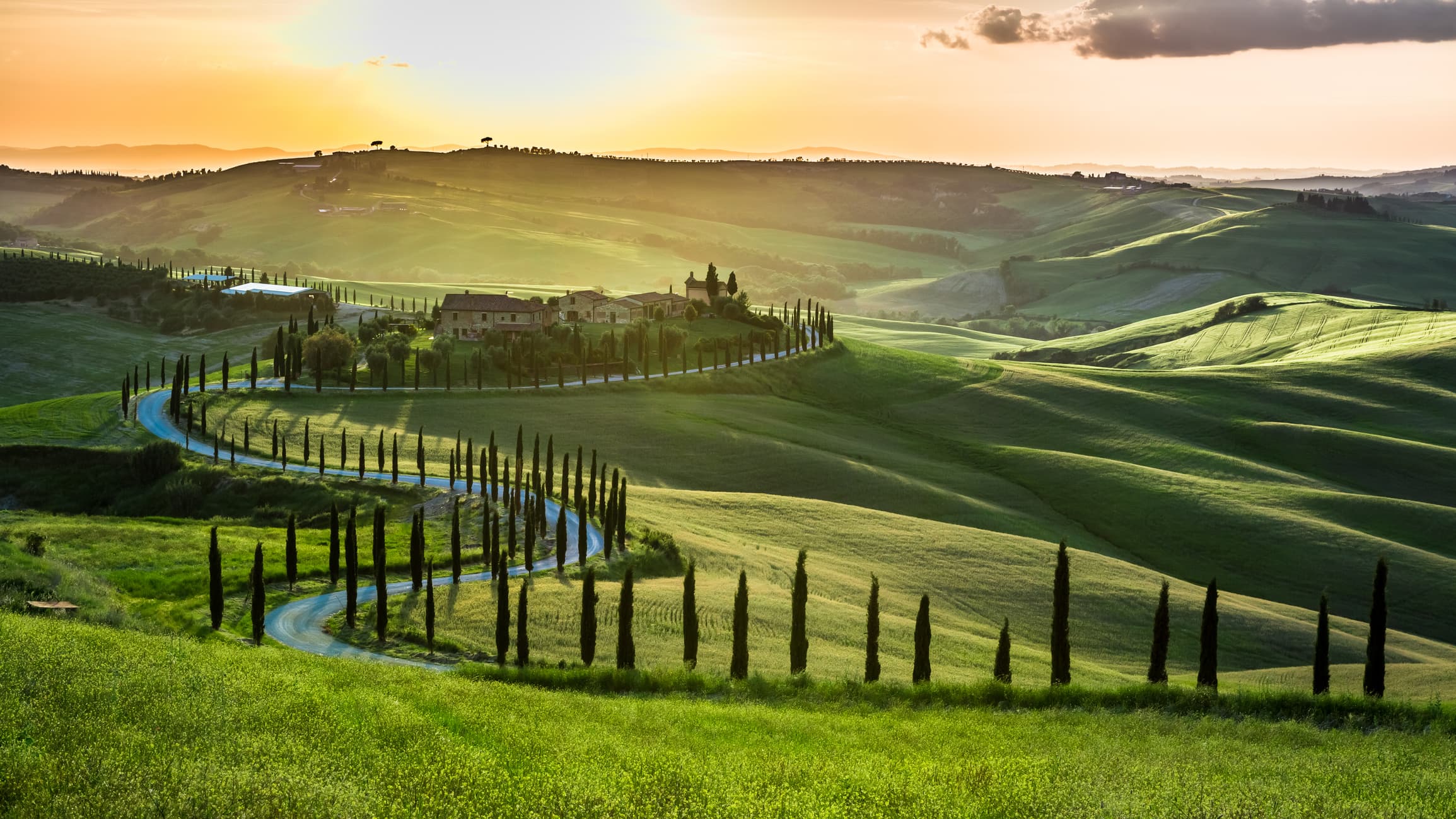
Autumn is the season Umbria was built for. Between September and November the region harvests everything it is known for — grapes, then olives, then truffle — and the calendar fills with the festivals that go with them. The towns empty of summer visitors, the light turns, and the woods that give the region its nickname change colour. It is also the cheapest and quietest time to rent a house here.
Why autumn suits this region in particular
Umbria has no coastline, so it has never had a beach season and its year is not organised around one. What organises it instead is the agricultural calendar, and that calendar peaks in autumn.
The practical consequences are three. The countryside is working rather than waiting, which means there is something to see and taste in places that are simply scenery in July. The heat has gone, which makes the hill towns and the walking routes usable all day. And the region is close to empty, which in a place whose main quality is quiet is not a small thing.
September: the grape harvest
September belongs to the vineyards. The harvest runs through the month depending on the variety and the altitude, and around Montefalco it means Sagrantino — the dense, deeply tannic red made from a grape grown almost nowhere else in the world.
Montefalco is called the ringhiera dell’Umbria, the balcony of Umbria, for the view from its walls over the Topino and Clitunno valleys. In September the estates around it are at their busiest and most welcoming, and visits and tastings are easy to arrange in a way they are not in August.
The light in September is the other argument. The haze of high summer clears, and the hills between Assisi, Spello and Montefalco take on the depth that painters came here for.
October and November: the olive harvest and Frantoi Aperti
The olive harvest is the region’s largest autumn event, and it has a festival built around it. Frantoi Aperti — Open Olive Mills — runs across several weekends between mid-October and mid-November, when mills throughout Umbria open to visitors during the pressing.
What happens is unusually direct: you watch the olives arrive, follow the pressing, and taste the oil as it comes out, unfiltered and still cloudy. Around it are walks through the groves, cooking workshops, concerts and meals in the villages. The event moves between different towns each weekend, so a week in the region can take in several.
The oil from the hills around Trevi and Spoleto is among the best in Italy, and new oil — olio nuovo — is a genuinely different product from the oil sold six months later. It is peppery enough to catch the back of the throat, and the season for tasting it that way is short.
Truffle season
Autumn is when white truffle appears, and Umbria takes it seriously.
The Mostra Mercato Nazionale del Tartufo Bianco Pregiato at Città di Castello, in the upper Tiber valley, is the largest of the region’s white truffle fairs and runs at the turn of the month between October and November. Gubbio holds its own truffle market around the same period, and Valtopina follows in mid-November with a fair covering the full range of Umbrian truffles — white, prized black, scorzone and uncinato.
The black truffle of Norcia and the Valnerina is the region’s more famous product but its main season is winter. Autumn is the white truffle’s moment, and the difference between eating it at a fair in Città di Castello and buying it anywhere else is considerable.
Truffle hunts with a guide and a dog are widely available through the season and are one of the few tourist activities in Italy that are exactly what they claim to be.
Eurochocolate and the towns
Eurochocolate fills the historic centre of Perugia for around ten days in November, with tasting stands, show cooking and chocolate sculpture through the medieval streets. It is one of the largest events of its kind in Europe and it transforms the city.
Perugia is a chocolate town for a reason — the Perugina factory has been there since 1907 — and the festival is the moment the industry and the city meet in public.
Earlier in the month, Perugia also holds the Fiera dei Morti, a fair with roots going back centuries that occupies the city at the start of November. It is a local event rather than a tourist one, which is precisely its appeal.
Walking, woods and foliage
Umbria is mostly hill and mountain, and a large part of it is wooded. Autumn is the season that makes the point.
The Via di Francesco and the paths around Assisi are at their best in October: cool enough to walk all day, and quiet enough to hear the place. The hermitages above the town — the Eremo delle Carceri on Monte Subasio — are a short walk from Assisi itself and are a different experience without a summer crowd.
Further east, the Valnerina and the mountains towards the Sibillini turn beech and chestnut, and the Cascata delle Marmore, which runs to a published schedule of gate openings, is at its most impressive after autumn rain.
Around Lake Trasimeno the light in late autumn is the pale silver Byron described, and the lakeside towns of Castiglione del Lago and Passignano return entirely to their residents.
An autumn calendar, month by month
| Month | What is happening | Best for |
|---|---|---|
| September | Grape harvest, clear light, warm days | Wine estates, walking, the hill towns without the heat |
| October | Olive harvest begins, Frantoi Aperti opens, white truffle fairs start, foliage turns | Food, walking, the fullest calendar of the three |
| November | Frantoi Aperti continues, Eurochocolate in Perugia, Fiera dei Morti, later truffle fairs | New oil, chocolate, towns at their most local |
Practical notes
- Dates move each year. The events above are annual and recurrent, but the exact days shift. Check before booking around a specific festival.
- Book festival weekends early. Frantoi Aperti weekends and the Città di Castello truffle fair fill local accommodation, even in a quiet season.
- Bring layers. Autumn days can be warm and the evenings are not. Inland at altitude the difference between two in the afternoon and eight at night is significant.
- A car is essential. More so than in summer, because the events are spread across small towns that public transport reaches poorly or not at all.
- Heating in the house. By November it matters. Confirm what a property has, and whether a fireplace is decorative or working.
- Rain is a factor from November. Not enough to spoil a week, but enough to plan an indoor alternative.
Frequently asked questions
Is autumn a good time to visit Umbria?
It is arguably the best. The region harvests grapes, olives and truffle between September and November, the festival calendar is at its fullest, the heat has gone and the towns are quiet. Umbria has no beach season, so autumn is not an off-season here in the way it is on the coast.
When is truffle season in Umbria?
White truffle appears in autumn, with the main fairs at Città di Castello and Gubbio around the turn of October and November and Valtopina in mid-November. The prized black truffle of Norcia and the Valnerina has its main season in winter.
What is Frantoi Aperti?
An annual event across several weekends between mid-October and mid-November, when olive mills throughout Umbria open to visitors during the pressing. It includes tastings of new oil, walks through the groves, workshops and meals in the villages, moving between different towns each weekend.
What is the weather like in Umbria in autumn?
September is warm and clear, October mild with the foliage turning, November cooler and wetter. Days can still be warm through October, but evenings are cold inland at altitude from the middle of the season onwards.
Is Umbria cheaper in autumn?
Yes. Rental rates drop from the summer peak and availability is far better, including for properties that are impossible to book in July and August.