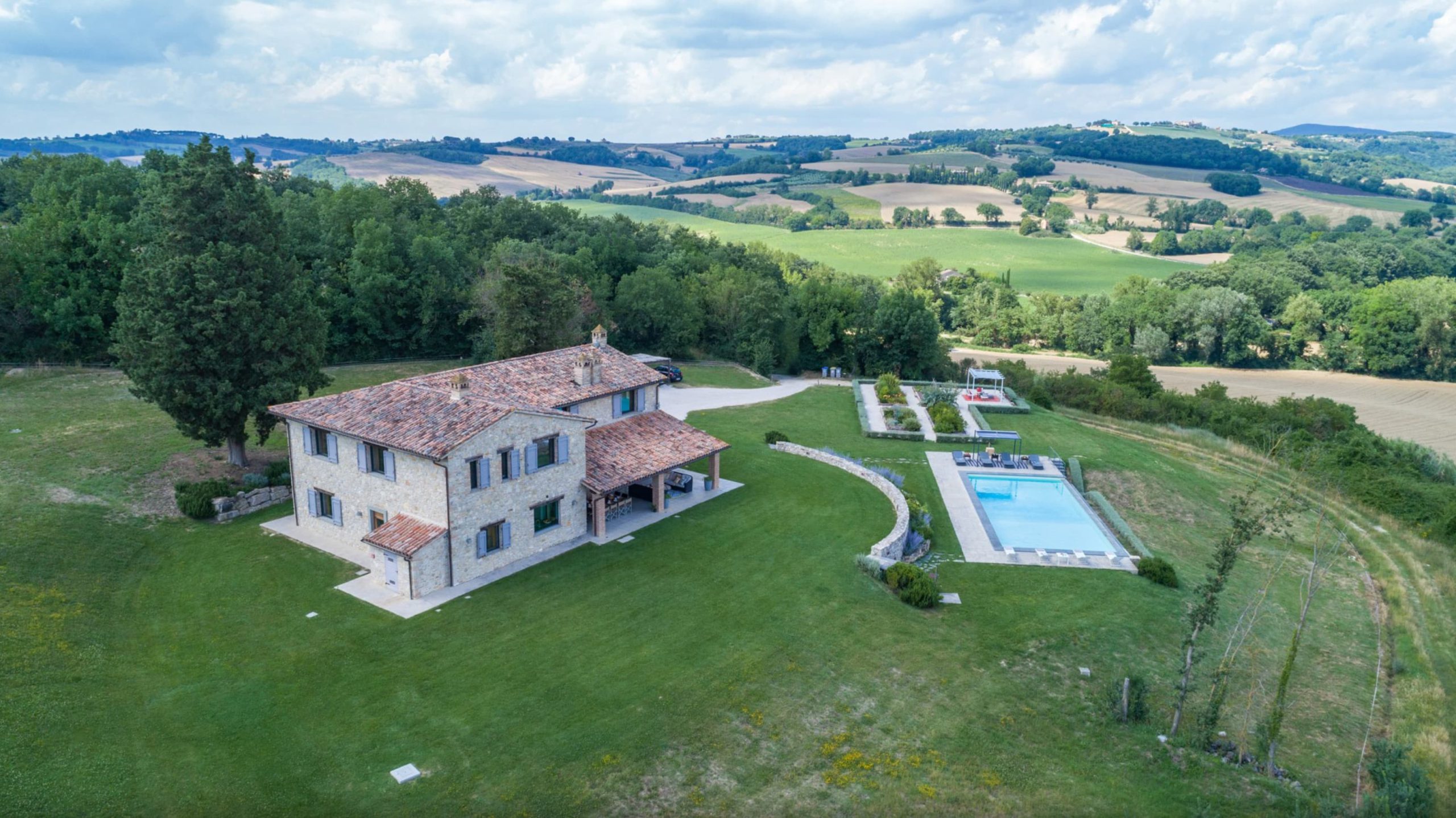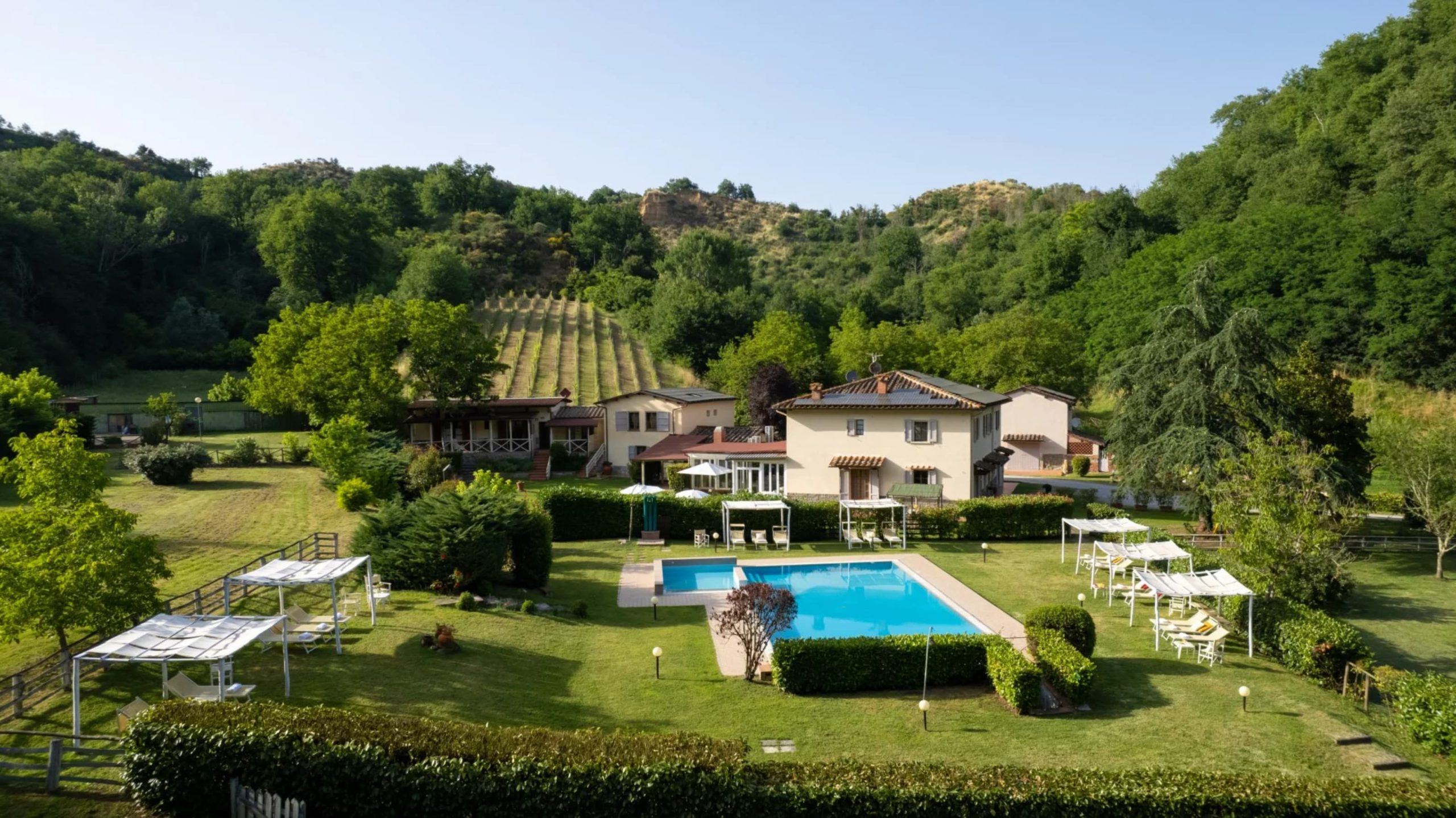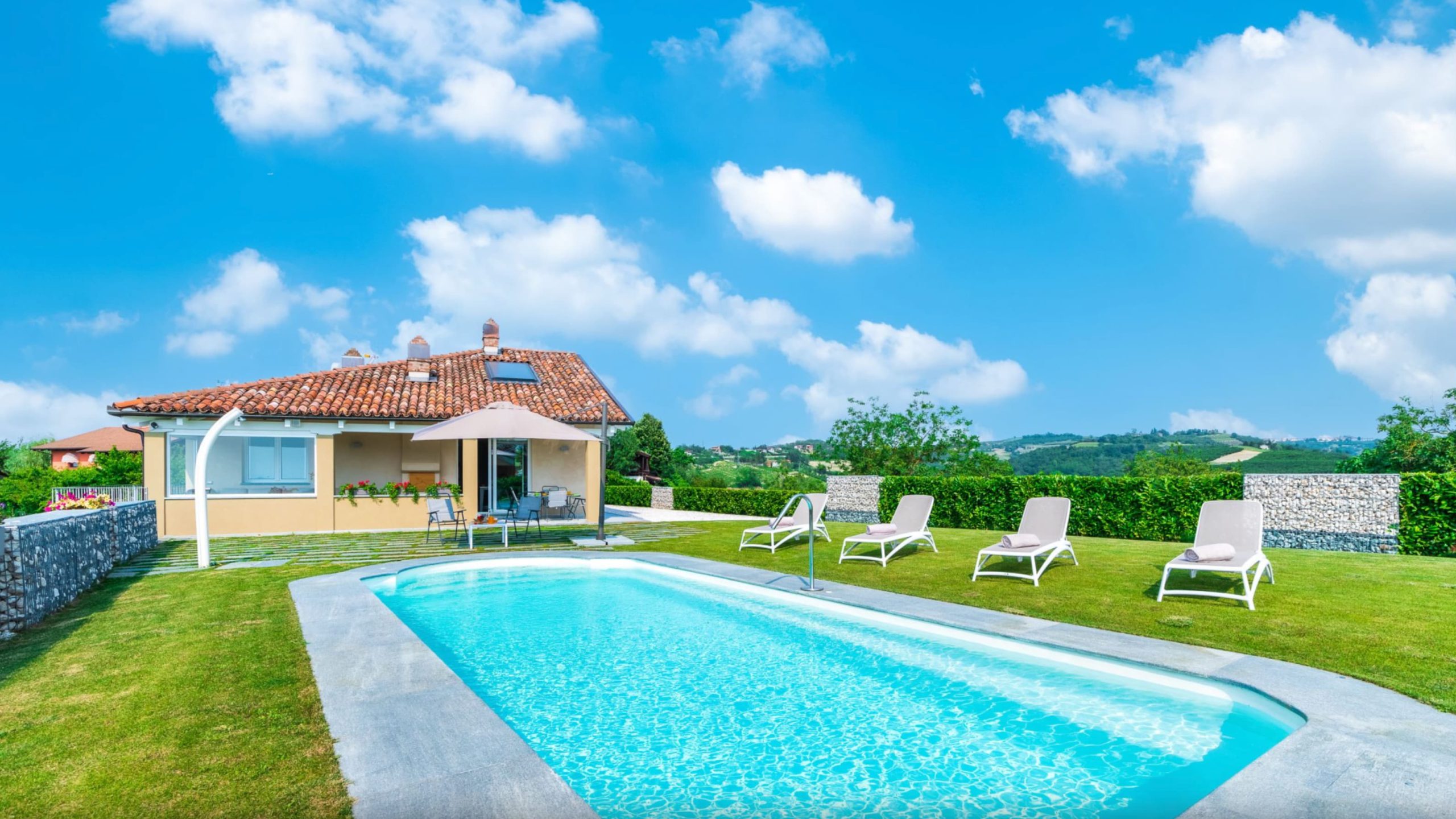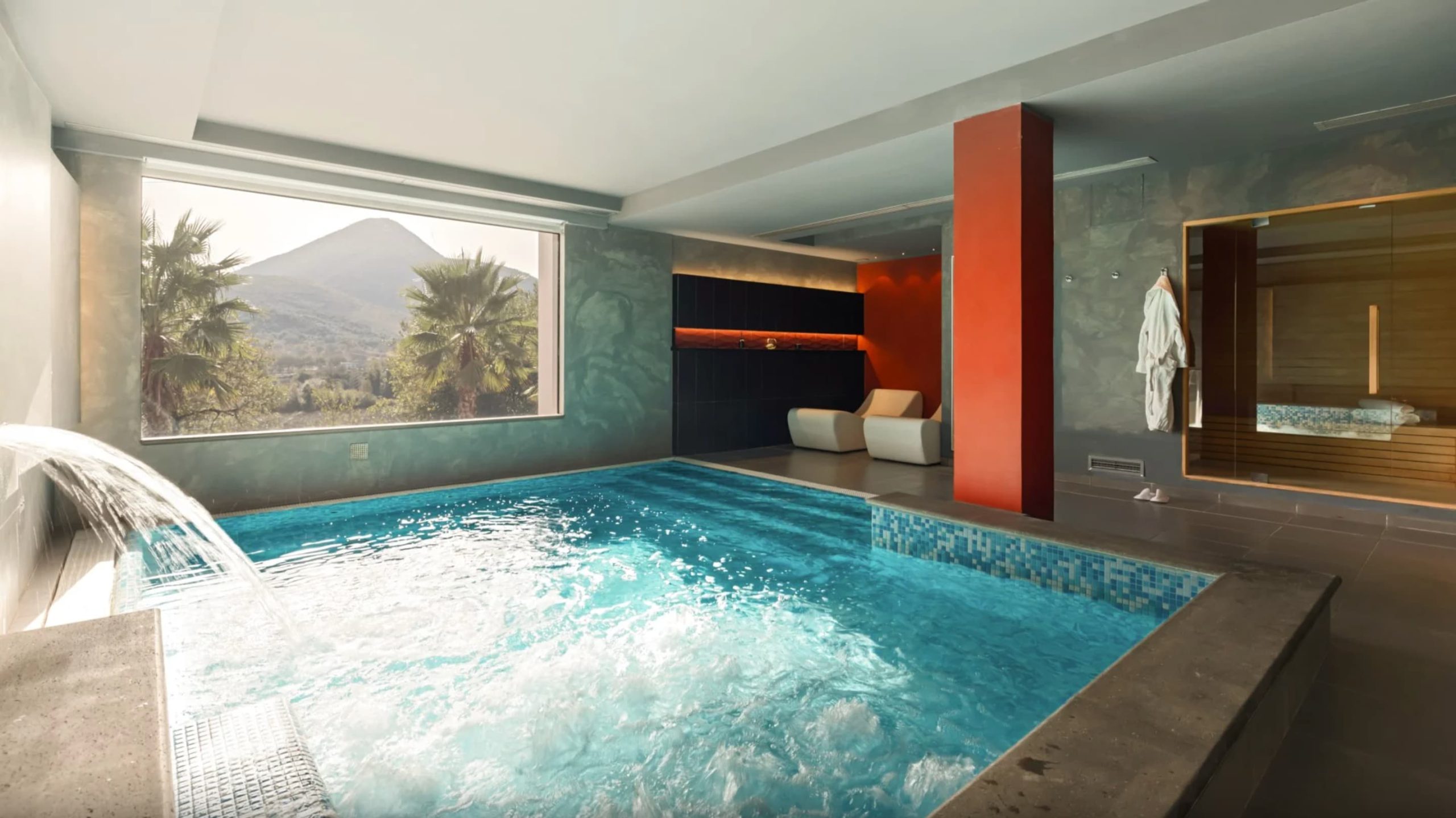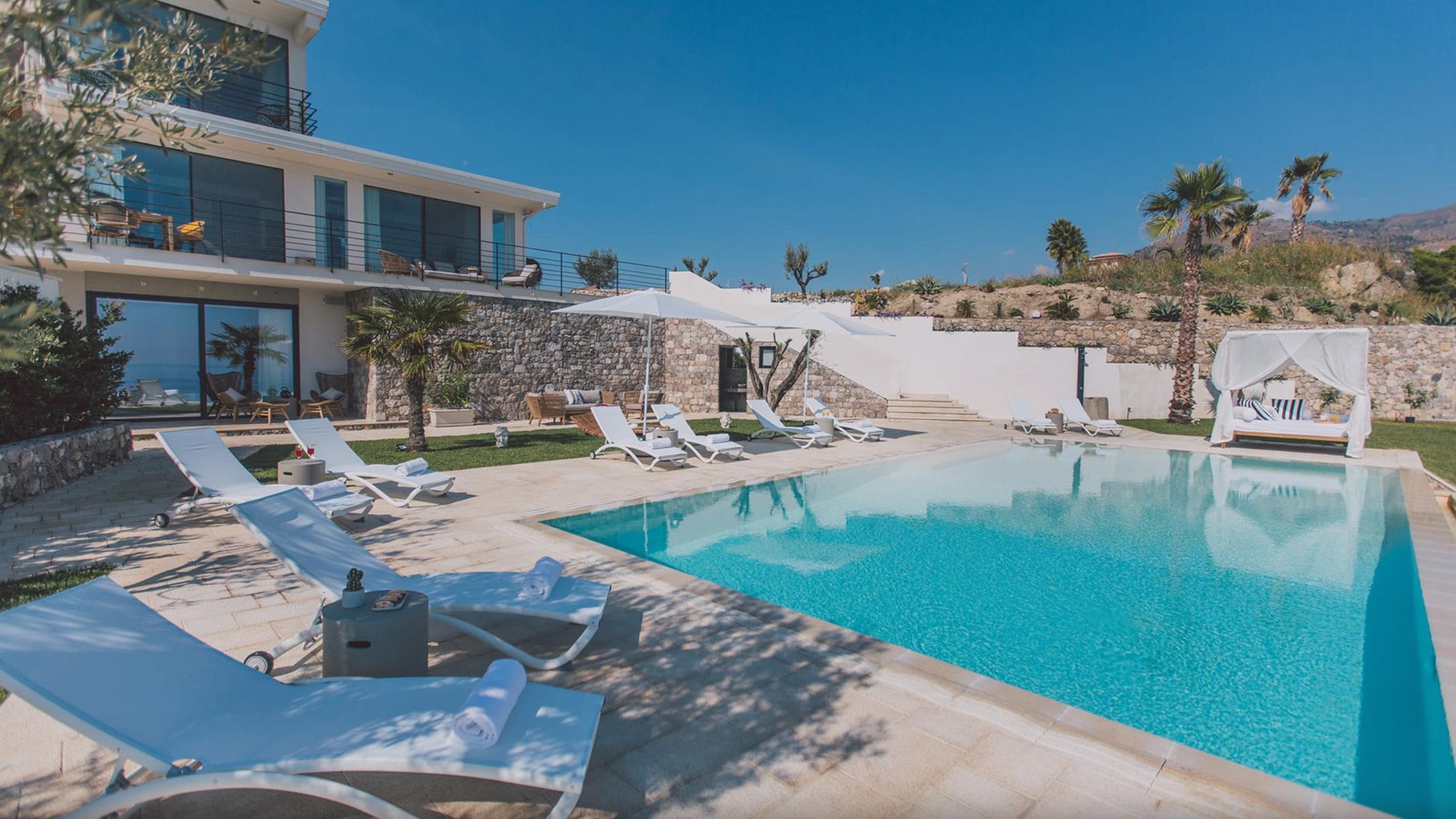
September gives you August’s sea without August’s crowds. The water is at its warmest of the year, the heat has begun to ease, the harvest is under way across the country, and from the middle of the month the beaches empty as Italian families go home. Prices fall from the peak and properties that were impossible to book in July become available. The trade-off is that the second half of the month can turn, and some seasonal businesses start to close.
The sea is warmer than in July
This surprises people, and it is simple physics. Water heats and cools far more slowly than air, so the Mediterranean lags behind the season by about two months. It reaches its warmest not at the height of summer but at the end of it — late August and September — and it holds that warmth well into the first half of October.
July feels hotter because the air is hotter. The sea is not.
For a villa holiday this matters more than it sounds, because the pool follows the same logic: an unheated pool in September is at its most comfortable of the year.
The crowds go home
Italian summer holidays are governed by the school calendar, and the school calendar is set region by region. For 2026 the return to class runs from 7 September in the province of Bolzano to 17 September in Puglia, with most regions starting on 14 or 15 September.
The practical effect is a clear line through the month. The first ten days still carry families; from the middle of September the coast changes character almost overnight. Beaches that required an early start in August have space by mid-morning, restaurants take walk-ins again, and roads that were slow become quick.
If your priority is emptiness, travel after the fifteenth. If you have children in school yourself, the first week is already very different from August.
The harvest
September is when the Italian countryside is working, and that is the difference between scenery and a place with something going on in it.
The grape harvest runs through the month, earlier at low altitude and later on higher ground: on the slopes of Etna it begins in the second half of September, and around Montefalco in Umbria it is the Sagrantino that comes in. Estates are at their busiest and, paradoxically, at their most welcoming — visits and tastings are far easier to arrange than in August, when nobody has time.
By the end of the month the first olives are being thought about, and October brings the pressing. A stay in late September sits between the two harvests, which is arguably the best week of the agricultural year to be in Italy.
Prices come down
Rental rates drop from the summer peak, and availability improves sharply. Properties that were committed for July and August by the previous winter open up, which means a group or a family can often get a house in September that would have been out of reach two weeks earlier.
The same applies to flights and to the services around a stay: a private chef or a transfer is easier to book in September than in the fortnight around Ferragosto.
The light
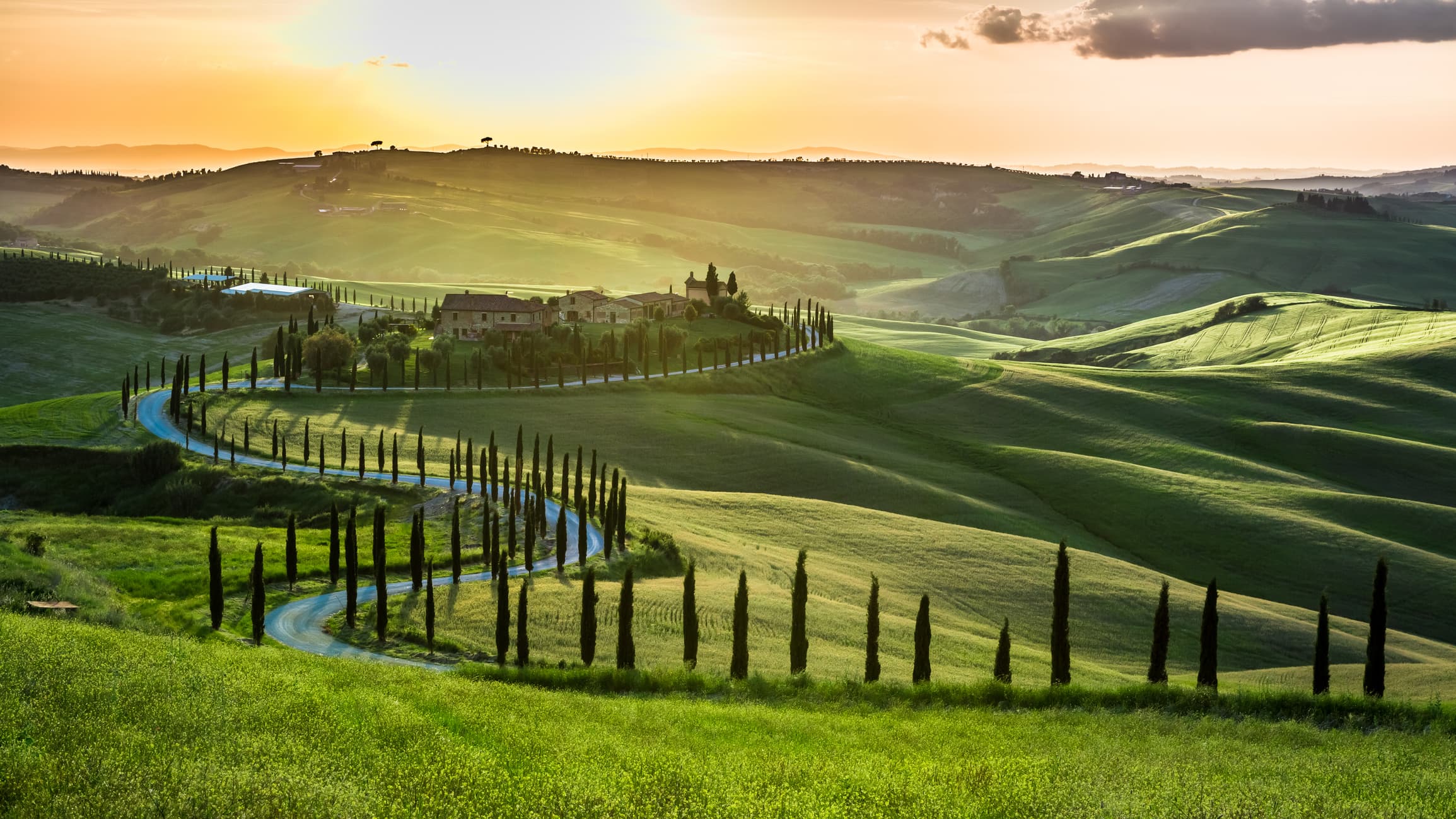
Worth mentioning on its own. The haze of high summer clears in September and the light lengthens and deepens. Hills that were flat and pale in August acquire depth; the hour before sunset lasts longer and does more. Anyone who takes photographs will notice immediately, and anyone who does not will still notice that the landscape looks different.
What to watch out for
Being honest about the limits makes the rest more useful.
The weather can turn in the second half. September is not a guaranteed extension of August. The first proper rain often arrives in the last ten days, and in the north and in the mountains the evenings cool quickly. Bring a layer and expect at least one indoor day.
Some seasonal businesses close. Beach establishments, seasonal restaurants and some smaller attractions wind down from mid-September, particularly on the coast. In the interior this is less noticeable, because the interior does not run on a beach season.
Sea swimming has a regional limit. In the south and the islands the water is comfortable through the whole month and beyond. Further north the window closes earlier.
Harvest weekends can be busy locally. Wine festivals and harvest events fill small towns and their accommodation. If you are travelling around a specific festival, book earlier than the month otherwise requires.
Region by region
Sicily. Perhaps the strongest case in the country. The sea stays warm well past the end of the month, the heat of the interior becomes pleasant rather than punishing, and the Baroque towns of the southeast are walkable at midday again. On Etna the harvest is in full swing.
Umbria. A region with no beach season has nothing to lose in September and everything to gain: the vineyards are working, the light turns, and the walking around Assisi is at its best. October then brings the olive pressing.
Le Marche. The Adriatic coast empties dramatically once schools return, and the hill towns behind it are at their most comfortable. A good month for combining Urbino and the sea in the same week.
Tuscany. The most crowded region in high summer becomes manageable, and the harvest is the region’s defining season. Chianti and the Val d’Orcia in late September are what people have in mind when they imagine Tuscany.
When to book September
Later than for August, but not late. The month is no longer the secret it was ten years ago, and the best-positioned properties are increasingly taken by spring. Aim for the first months of the year if you want a specific house, and expect reasonable choice as late as May or June for a September stay.
If you are travelling specifically after the fifteenth, say so when you enquire: it is the half of the month that fills last and it is where the real availability sits.
Frequently asked questions
Is September a good time to visit Italy?
It is one of the best months. The sea is at its warmest of the year, the heat has eased, the harvest is under way and the crowds thin sharply once Italian schools return in the middle of the month. Prices fall from the summer peak and availability improves.
Is the sea still warm in Italy in September?
Yes, and warmer than in July. Water heats and cools more slowly than air, so the Mediterranean peaks at the end of summer rather than at its height, holding that warmth into the first half of October, particularly in the south and the islands.
When do the crowds leave Italy in September?
Around the middle of the month, when Italian schools return. For 2026 the return runs from 7 September in Bolzano to 17 September in Puglia, with most regions starting on 14 or 15 September. Travel after the fifteenth for the emptiest conditions.
What is the weather like in Italy in September?
The first half is usually an extension of summer with the edge taken off. The second half is less predictable: the first substantial rain often arrives in the last ten days and evenings cool quickly, especially inland and in the north.
Is Italy cheaper in September?
Yes. Rental rates fall from the summer peak and availability improves considerably, including for properties that are impossible to book in July and August. Flights and in-stay services are also easier to arrange.
Emma Villas manages villas across Italy, with local teams in each region and availability that opens up considerably from September onwards. If you would like help finding a house for the shoulder season, our staff know these properties individually.