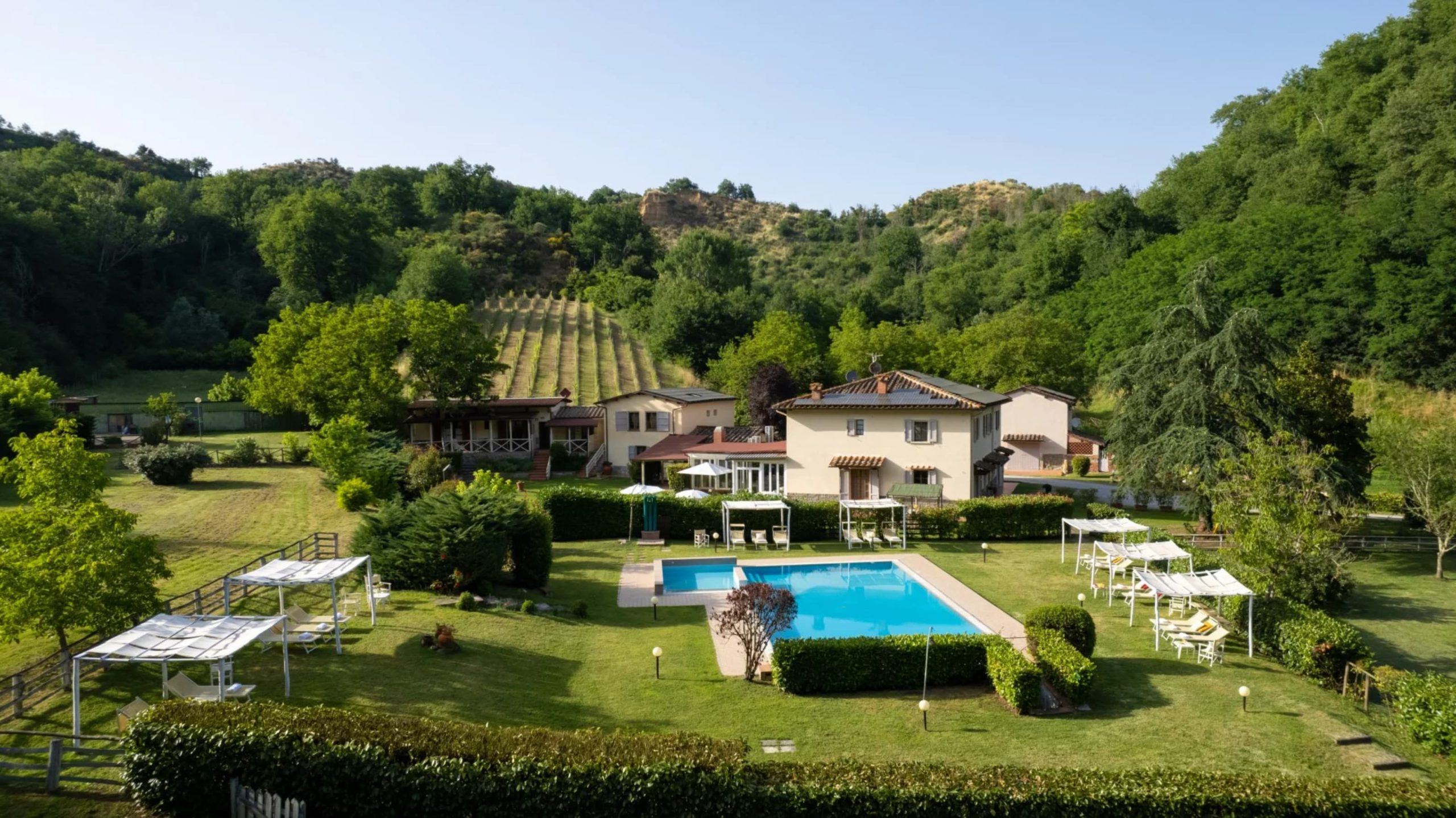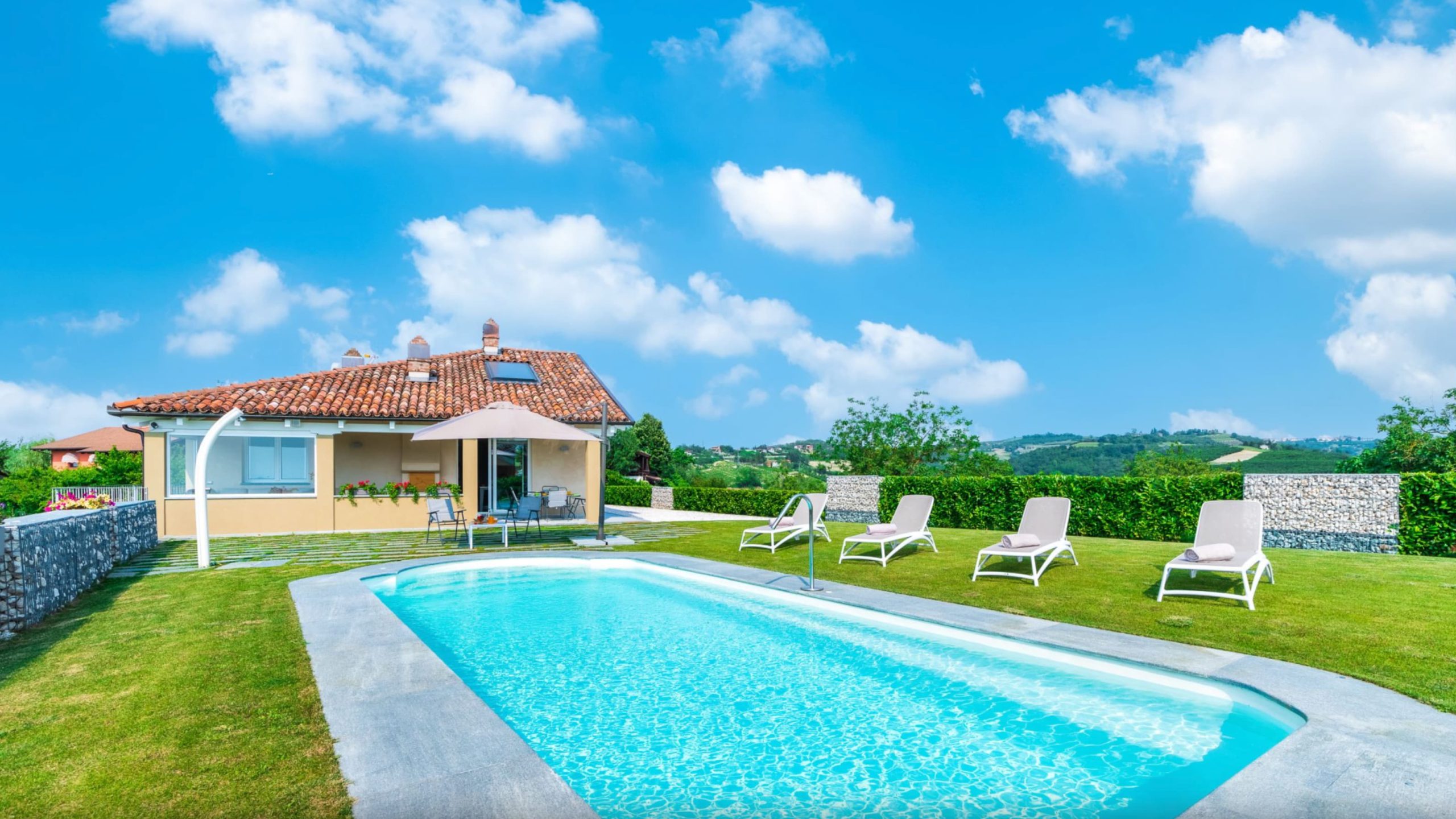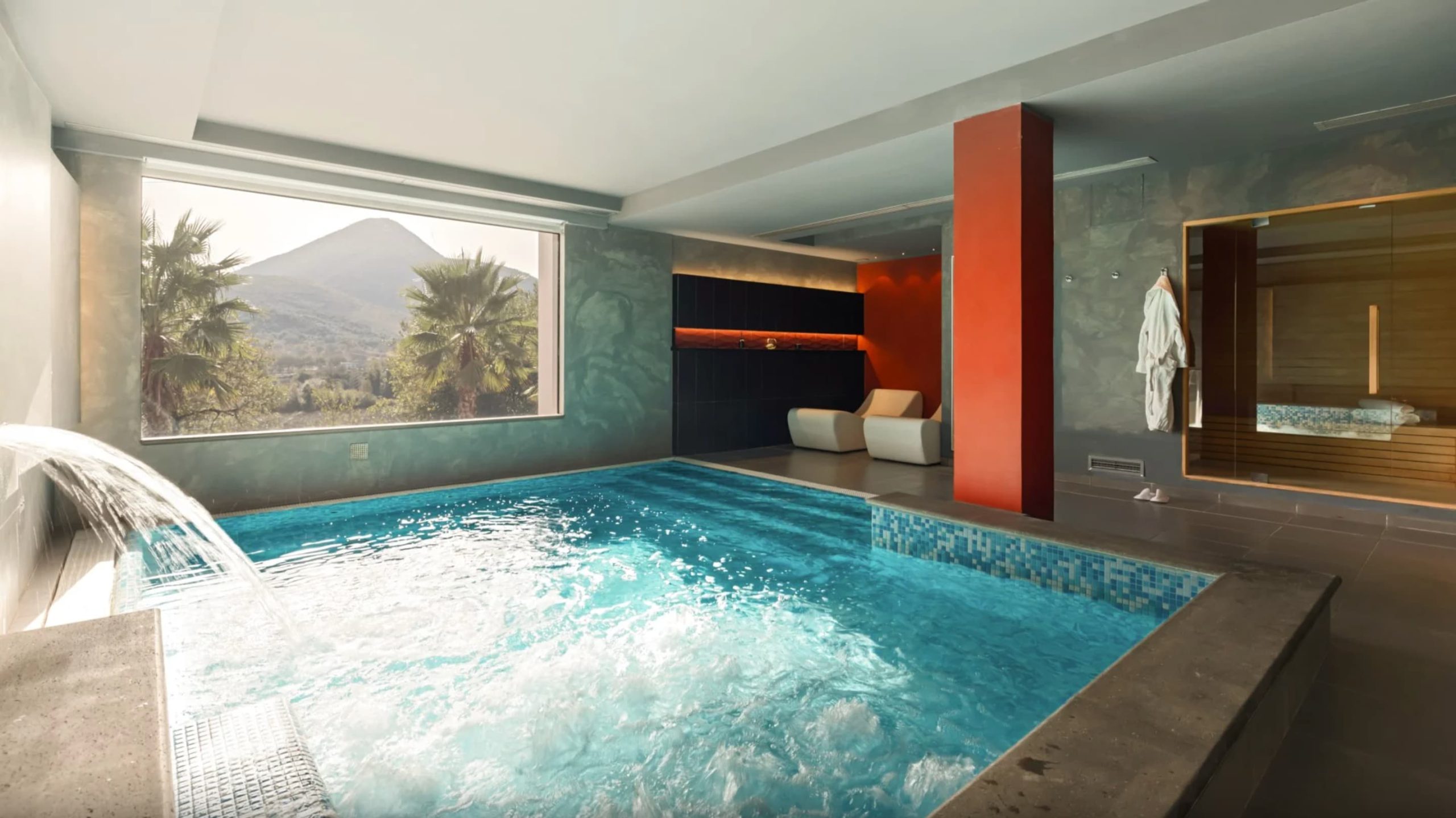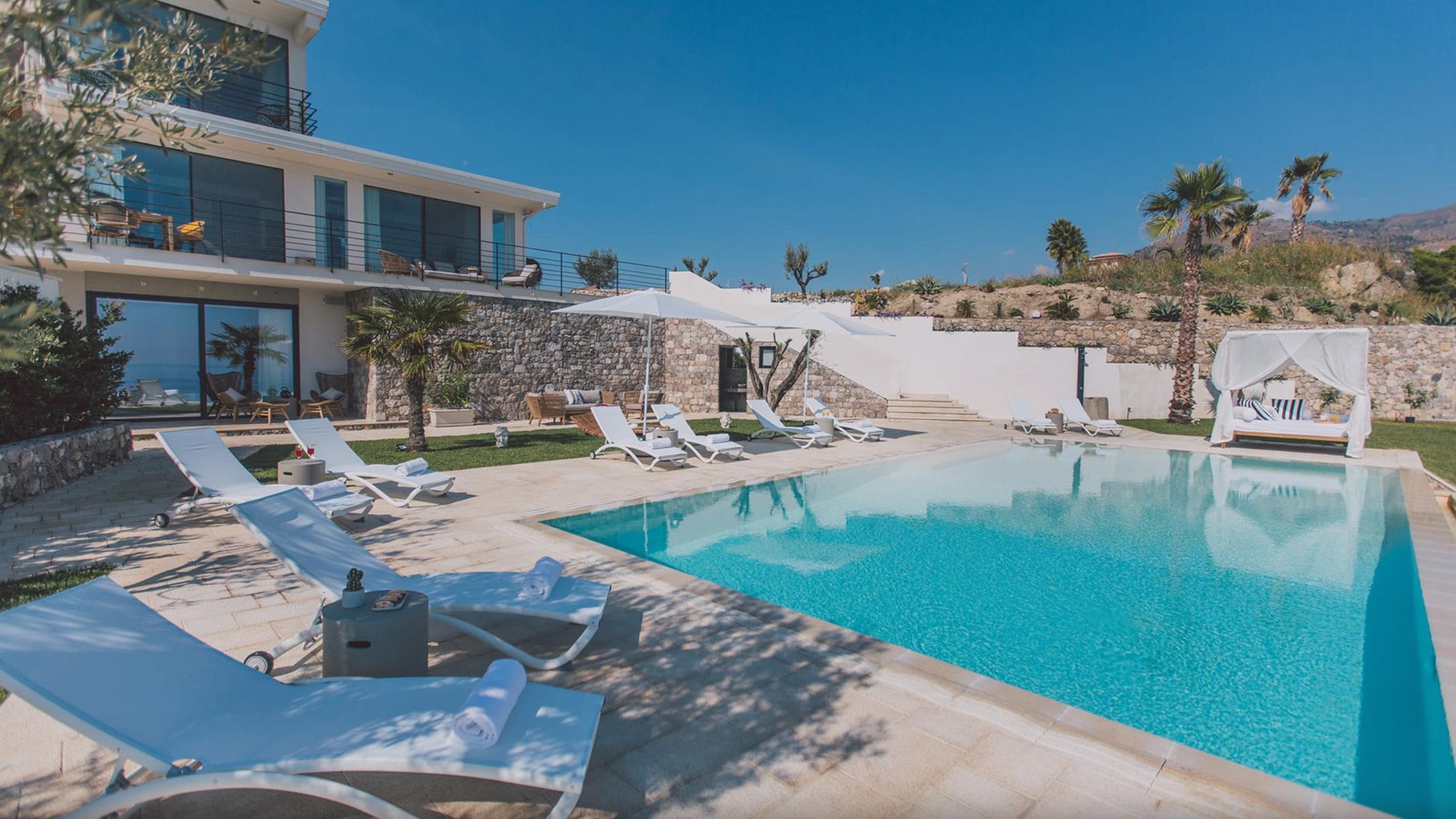
Three things decide whether a villa week works: where the house sits in relation to what you actually plan to do, whether the listing tells you the truth about it, and who answers the phone if something breaks in August. Almost everything that goes wrong with a villa holiday traces back to one of those three, and all three can be settled with questions asked before you pay.
First, decide what cannot be changed
Two things about a property are fixed once you have booked, and everything else is negotiable or survivable.
Where it is. A house thirty minutes from a beach and a house an hour from one produce different holidays even if the photographs are identical. Thirty minutes each way is a daily habit; an hour each way is an expedition you will make twice and then stop making. Decide honestly what you will do most days, and choose the location for that rather than for the view.
How high it is. Altitude is the best single predictor of how a house sleeps in July and August, and it almost never appears in a listing. At four hundred metres the nights cool down; at sea level they do not. If anyone in the group sleeps badly in heat, this matters more than the air conditioning.
Reading a listing properly
Photographs are taken to sell, which is fair enough, but it means you have to read them actively.
- Wide-angle lenses are generous. Ask for measurements of the rooms that matter to you rather than judging from images.
- Notice what is not photographed. If there are twenty pictures of the pool and none of the kitchen, that is information.
- Look at the direction of the light. It tells you the orientation of the terrace, which tells you when it is usable.
- Check the dates on recent reviews, not the average score. A property that was excellent four years ago may have changed hands.
- Look for what is nearby in the photographs — a road, a neighbouring house, an outbuilding. What is cropped out of a picture is sometimes the thing you would have asked about.
The pool
Most rural Italian properties have one, so the pool is rarely the differentiator. These questions are.
- Is it for exclusive use? On estates with more than one unit it may be shared. Have the answer in writing.
- Where is the sun at four in the afternoon? A pool below a north-facing wall or under mature trees loses the whole second half of the day.
- Is there shade around it? A pool terrace with no pergola and no established tree is unusable between late morning and evening in high summer.
- How do you get in? Roman steps are far easier than a ladder for children and for anyone who swims slowly.
- Is it fenced? Many are not. With small children this is a decision to take knowingly rather than discover on arrival.
- Is it heated? Unheated pools are comfortable roughly from late May to early October. Outside that window, confirm rather than assume.
- How far is it from the house? Occasionally the answer is a five-minute walk downhill, which is a different proposition with towels and children.
The house itself
- Air conditioning: which rooms. Not whether the property has it. Bedrooms are what count.
- Is there a bedroom on the ground floor? Many restored farmhouses put all the bedrooms upstairs. Relevant with toddlers and with anyone who struggles with stairs.
- How is it heated? From late autumn this matters, and a fireplace in a photograph is not always a working one.
- Is the kitchen equipped for actual cooking? With young children the ability to eat at six rather than at nine is the main advantage of a house over a hotel.
- Is there outdoor shade? A terrace without a pergola or a tree is decorative rather than usable in July.
- How is the wifi? Rural Italy is variable. If anyone needs to work, ask specifically rather than accepting a tick in a box.
Getting there and getting around
- Ask for driving times, not distances. Italian country roads are slow rather than long. Twenty kilometres inland can be forty minutes.
- Ask about the access road. Many rural properties are reached by an unpaved track, a strada bianca. Usually unproblematic, occasionally relevant to the car you rent.
- Find out what is within ten minutes. A bakery, a supermarket and somewhere to eat nearby change the texture of a week more than any feature of the house.
- Check the parking. If you arrive in two cars, confirm there is room for two.
The money
The nightly rate is rarely the final figure, and the gap is usually made of predictable items.
- Final cleaning — almost always charged separately. Ask the amount.
- Tourist tax — set by the municipality, usually per person per night, often payable on arrival.
- Security deposit — how much, when it is taken and when it is returned.
- Utilities — normally included, but heating and pool heating are sometimes metered separately.
- Linen and towels — included, or hired, and how many changes.
- Service fees — where you book affects the final total. Compare totals, not headline rates.
- What the cancellation policy actually says — read it before you need it.
What happens during the stay
This is the part almost nobody asks about and the part that decides how a bad day goes.
Ask who you contact if something fails, whether that person is local, and how quickly they reach the property. A pool pump that stops on a Saturday afternoon in August is an inconvenience if someone arrives that evening and a ruined week if the answer is Monday.
Ask who meets you on arrival and how the keys are handed over. Self check-in is fine; it is worth knowing in advance, particularly if you are landing late.
Ask what can be arranged locally — a chef, a cot, a mid-stay clean, transfers, a wine tasting. Whether these exist tells you how much support sits behind the property.
When to book
For July and August, book in winter or early spring. The peak weeks around Ferragosto, in mid-August, are the first to go across every Italian region, and the properties in the best positions are usually committed months ahead. For May, June, September and October the window is more forgiving, though the strongest properties still go early.
A checklist to take with you
- Altitude of the property
- Driving time to the nearest beach, shop and restaurant
- Exclusive use of the pool, confirmed in writing
- Sun and shade on the pool terrace in the afternoon
- Pool fencing, if you are travelling with small children
- Which bedrooms have air conditioning
- Whether a ground-floor bedroom is available
- Condition of the access road
- Full cost including cleaning, tourist tax and deposit
- Who to call during the stay, and how quickly they arrive
Frequently asked questions
What should I check before booking a villa in Italy?
The altitude of the property, driving times to the nearest beach and shop, whether the pool is for exclusive use, which bedrooms have air conditioning, the condition of the access road, the full cost including cleaning and tourist tax, and who you contact if something fails during the stay.
Are villa pools in Italy private?
Usually, but not always. On estates with more than one unit the pool may be shared between guests. Exclusive use should be confirmed in writing before booking rather than assumed from the photographs.
What extra costs should I expect when renting a villa in Italy?
Final cleaning, tourist tax set by the local municipality and usually charged per person per night, a security deposit, and sometimes separately metered heating. Linen and towels are normally included but the number of changes varies.
Is inland or coastal better for a villa in Italy?
Inland at altitude for most of the summer, provided the sea is within about half an hour. Nights cool down at four hundred metres in a way they do not at sea level, and inland properties usually offer more space and privacy for the same money.
When should I book a villa in Italy for the summer?
For July and August, in winter or early spring. Peak weeks around Ferragosto in mid-August go first across every region. For the shoulder months of May, June, September and October the window is wider.
Every villa in the Emma Villas portfolio has been visited and assessed by our staff, and each region has a local team available during the stay. If you would like help matching a property to your group and your dates, we know these houses individually.