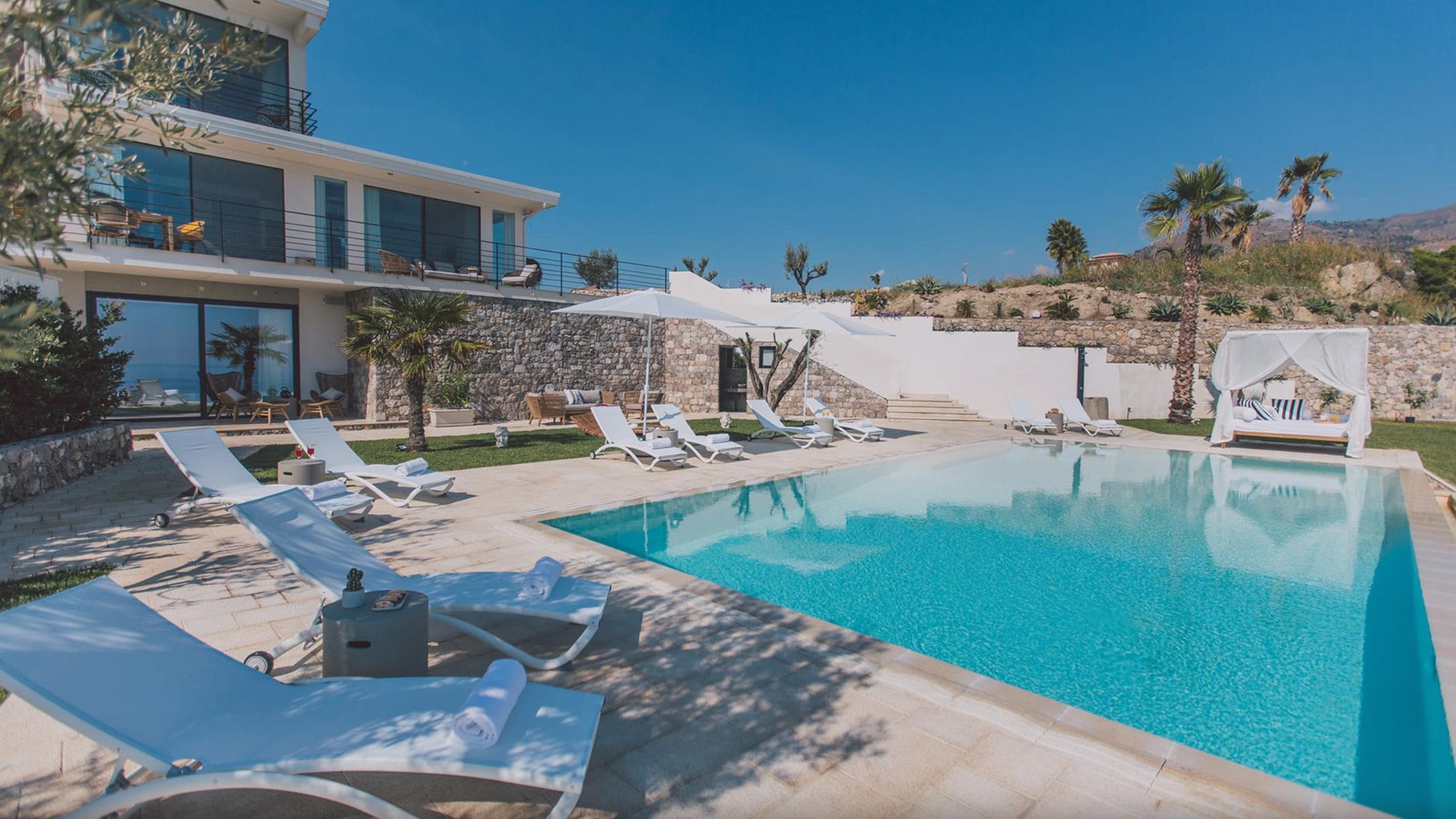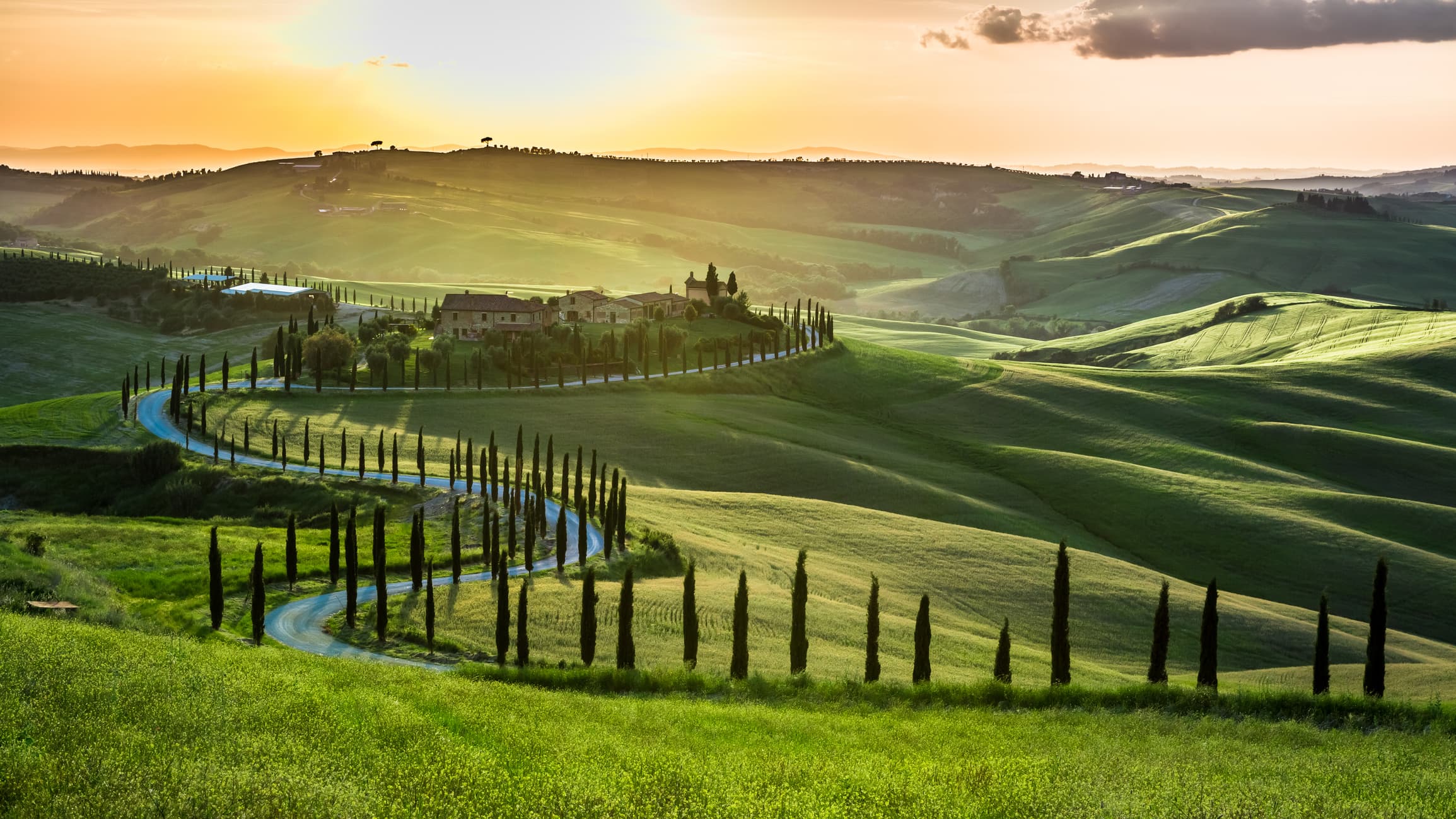
The best months to visit Sicily are May, June, September and early October. September has the warmest sea and emptying beaches; May has the greenest landscape and the lightest pressure on the coast. July and August are hot and full. From November to March the island is quiet and inexpensive, and better suited to cities, archaeology and food than to swimming.
Three questions that decide your month
Sicily is not one destination with one season. It is a coast, an interior and a volcano, and each of them peaks at a different time. Before choosing a month, answer three questions.
Do you want to swim? The sea warms slowly and cools slowly. It is comfortable for most people from June to early October, and at its warmest in late August and September — not in July, as many assume.
Do you want to walk, drive and look at things? Then avoid high summer. Archaeological sites in Sicily are largely shadeless, and hill towns are built on staircases. April, May, October and November are far kinder.
How much do you mind crowds? Sicilian crowding is concentrated in a short window — roughly mid-July to late August — and in a short list of coastal places. Move a few weeks either side and the island changes character entirely.
Month by month, at a glance
| Month | Character | Sea | Crowds |
|---|---|---|---|
| January | Cool, quiet, cities at their most local | Too cold | Very low |
| February | Almond blossom, Sant’Agata in Catania | Too cold | Very low |
| March | Spring begins, wildflowers, festivals | Too cold | Low |
| April | Green landscape, Easter processions | Cold for most | Low, peaks at Easter |
| May | Warm days, long light, everything open | Swimmable late in the month | Low |
| June | Hot but not extreme, sea warming | Good | Building from mid-month |
| July | Hot, coastal towns filling | Warm | High |
| August | Peak heat, peak demand, Ferragosto | Warmest | Very high |
| September | Heat easing, harvest season | Warmest | High to mid-month, then falling |
| October | Mild, clear, excellent for inland | Swimmable early in the month | Low |
| November | Rain increases, olive harvest | Too cold | Very low |
| December | Mild in the cities, festive, quiet | Too cold | Low, rises at Christmas |
Spring: March to May
Spring is when Sicily looks its best. The interior is green — it will not be green again until November — the wildflowers are out, and the light is clear enough to see Etna from a long way off.
March opens the season. Agrigento holds the Mandorlo in Fiore, a folklore festival that runs for about a week in the early part of the month and ends with a ceremony among the temples in the Valley of the Temples. It is one of the few times the archaeological park is a stage rather than a monument.
April brings Easter, and with it the most intense week in the Sicilian calendar. Holy Week processions take place across the island, and those of Trapani and Enna are among the most striking in Italy. Dates move each year with Easter itself. Outside that week, April is a superb month for archaeology and walking, and a poor one for swimming.
May is, for many visitors, the best month of all. Days are properly warm, the light lasts into the evening, everything is open, and the coast is still empty. The Infiorata di Noto — when via Nicolaci is carpeted in flower petals — falls on the third Sunday of the month. By the last week of May the sea is swimmable for those who do not mind it fresh.
Summer: June to August
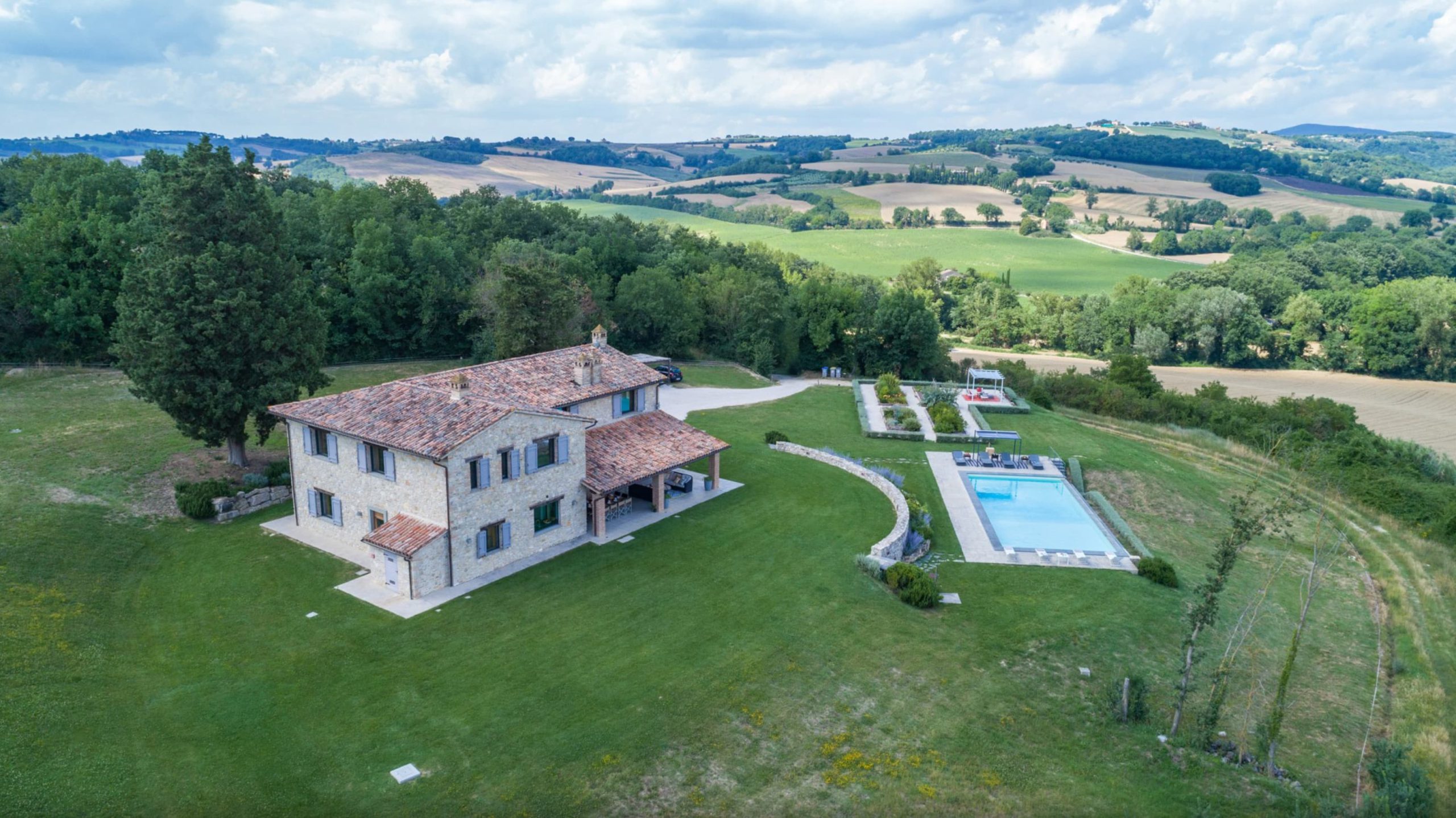
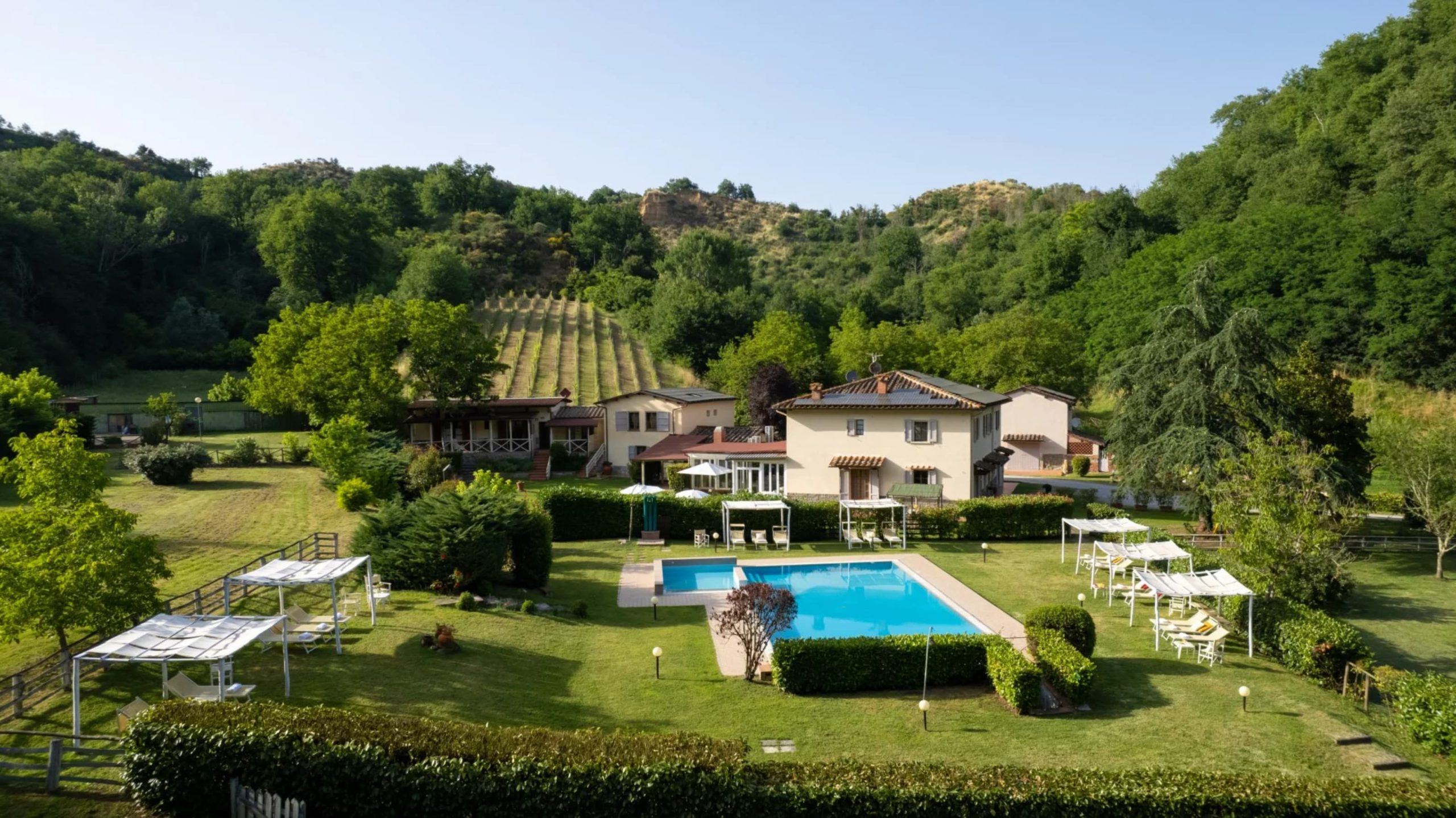
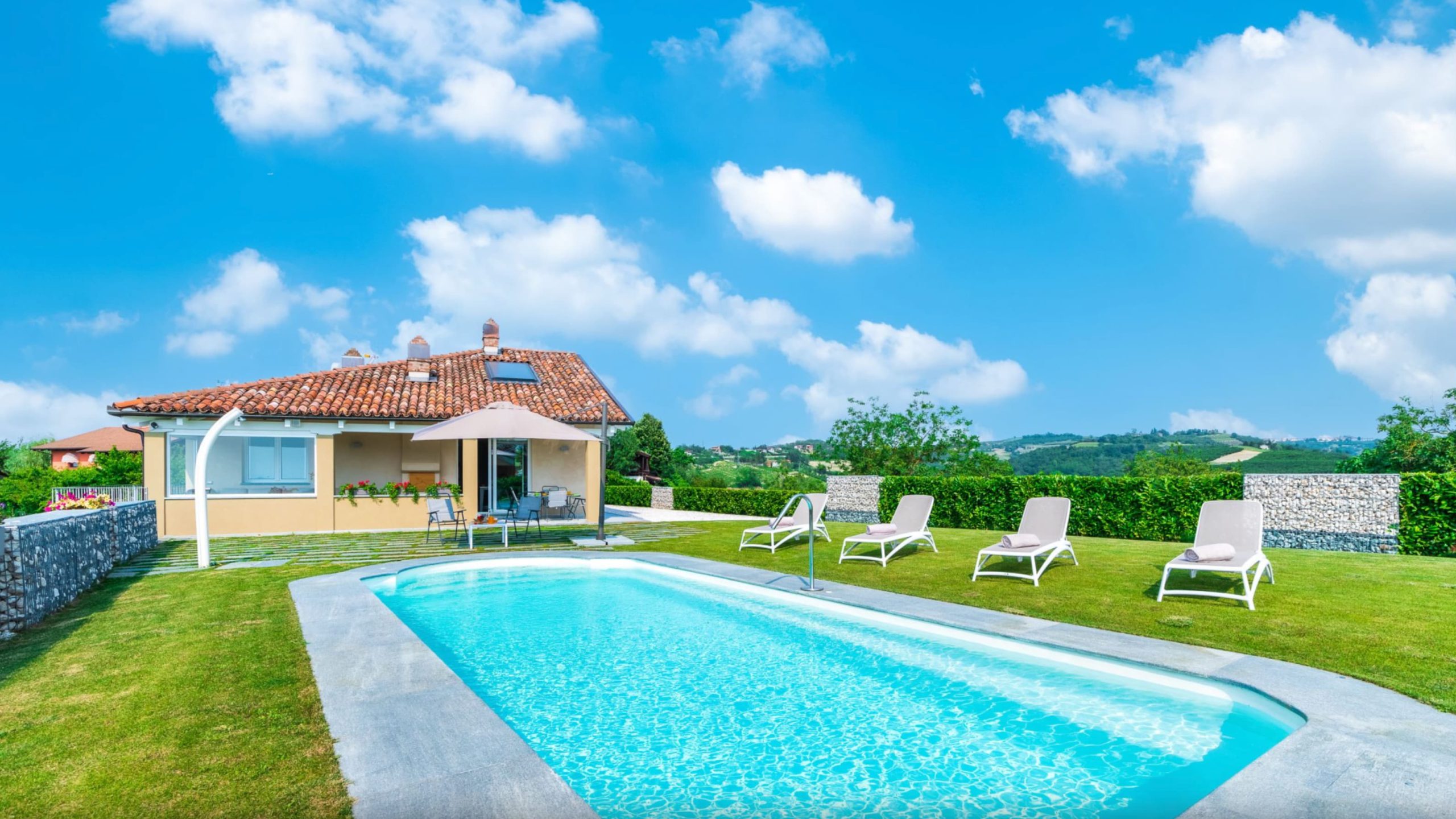
June is the best of the three summer months. The sea is warm, the heat is real but manageable, and the beaches do not fill until Italian schools break up in the second half of the month. Villas with pools are in demand but not yet impossible to find.
July is hot and busy. Coastal towns are working at capacity, prices are at their summer level, and midday sightseeing is unrewarding. Inland and at altitude the month is far more pleasant than the coast suggests.
August is peak everything. Ferragosto on the 15th is a national holiday and the centre of the Italian travel season; for roughly ten days either side of it, domestic and international visitors overlap on the same short list of coastal places. The sea is at its warmest, which is the compensation. Booking is a spring activity, not a summer one, and the interior — the Baroque southeast, the slopes of Etna, the Madonie — stays comparatively calm throughout.
Autumn: September to November
September has a good claim to being the best month in Sicily. The sea holds the heat it accumulated through August, the air begins to ease, and after the first week the crowds thin quickly as Italian schools return. On Etna the grape harvest begins in the second half of the month, and the estates on the volcano’s flanks are at their most alive.
October is mild, clear and almost empty. The sea is still swimmable in the first half of the month on the south and southeast coasts. This is the month for the interior: hill towns, archaeology, long drives, the olive harvest getting under way. Some seasonal beach businesses close, which is part of the appeal.
November turns. Rain becomes a real factor, coastal resorts wind down, and the island turns inward. It is an excellent month for food — new olive oil, mushrooms, citrus starting — and for cities. It is not a beach month.
Winter: December to February
Winter in Sicily is mild rather than cold, and it is the season in which the island belongs entirely to the people who live there.
December is quiet until Christmas, when towns fill with nativity displays and family gatherings. Palermo, Catania, Syracuse and Ragusa are at their most characterful.
January is the quietest month of the year and the cheapest. Etna carries snow, and the ski lifts on its slopes operate when conditions allow — an incongruous and memorable thing to do on a Mediterranean island.
February brings Catania’s great festival. The Festa di Sant’Agata, held from 3 to 5 February in honour of the city’s patron saint, is among the largest religious festivals in Italy and fills the streets for days. Almond trees begin to blossom in the south and west towards the end of the month.
Choosing by what you want
- Beach holiday with the warmest water — late August and September.
- Beach holiday without the crowds — June, or the second half of September.
- Archaeology, hill towns and walking — April, May, October.
- Food, wine and harvest — September for grapes, late October and November for olive oil.
- Lowest prices and no visitors at all — January and February.
- Festivals — February for Sant’Agata, March for the almond blossom, Easter for Holy Week, May for the Infiorata.
Frequently asked questions
What is the best month to visit Sicily?
September, for most visitors. The sea is at its warmest after a summer of heating, the air is easing, and crowds fall away sharply after the first week. May is the strongest alternative for those who care more about landscape and quiet than about swimming.
Is the sea warm enough to swim in May or October?
In the last week of May, yes for most people, and comfortably so on the south and southeast coasts. In October the first half of the month is still swimmable; by the end of October most visitors will find it cold.
When is Sicily most crowded?
From mid-July to the end of August, with the peak in the ten days either side of Ferragosto on 15 August. The crowding is concentrated on a short list of coastal places rather than spread across the island.
Is winter a good time to visit Sicily?
For cities, food and archaeology, yes. Winter is mild, prices are at their lowest and the island is uncrowded. It is not a beach season, and some coastal businesses close between November and March.
When should I book a villa in Sicily?
For July and August, in the winter or early spring of the same year. For May, June, September and October the window is more forgiving, though the best-positioned properties still go early.